Platform Security Enhancements in Azure: 2026 Update
In the past year, Microsoft has made security its top engineering priority, committing to a company-wide Secure Future Initiative (SFI) and aligning product teams around…
•

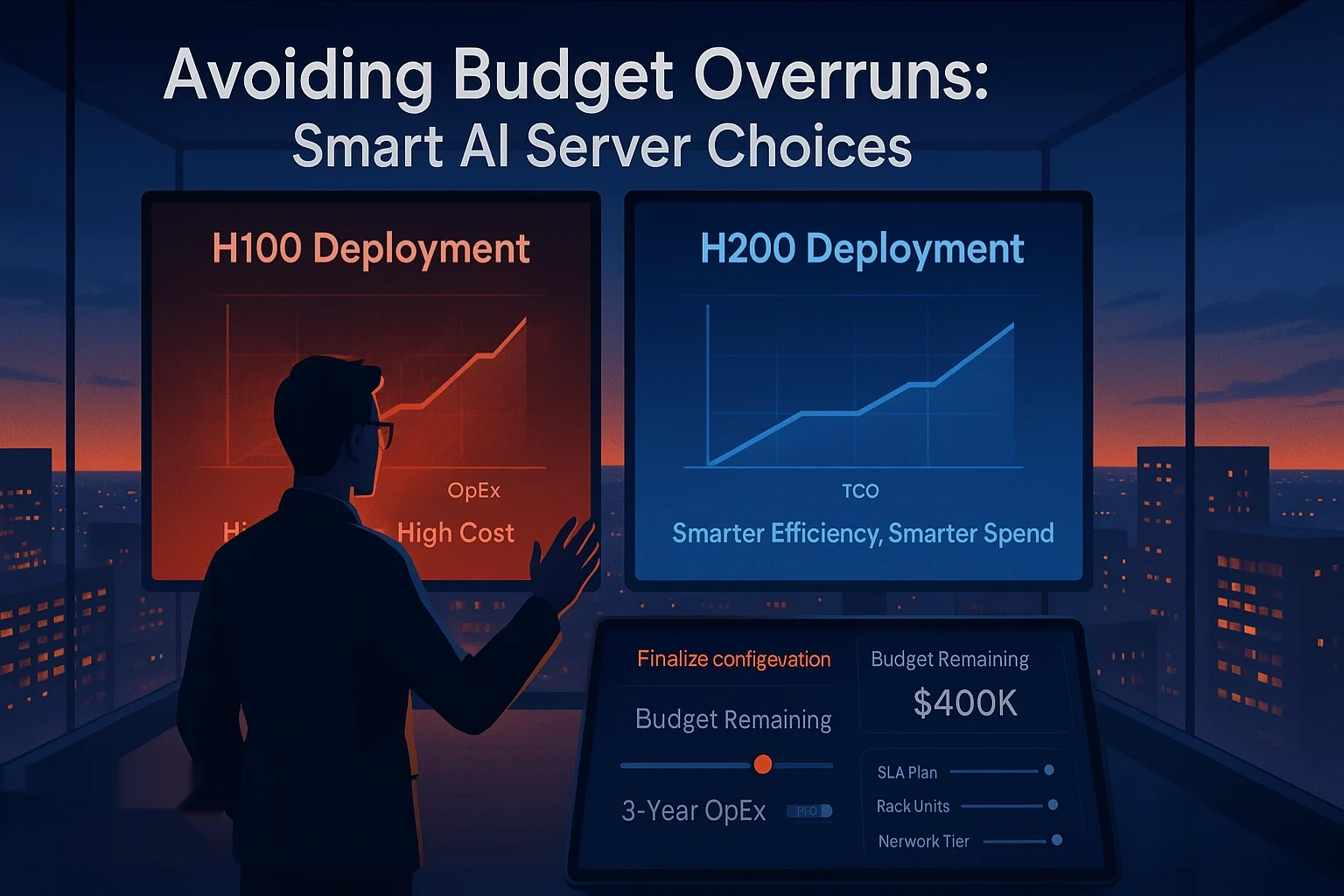
Deploying AI servers is a crucial step for businesses seeking to leverage artificial intelligence for a competitive advantage. However, many organizations underestimate the cost of AI server deployments, leading to budget overruns that can stall projects or strain resources.
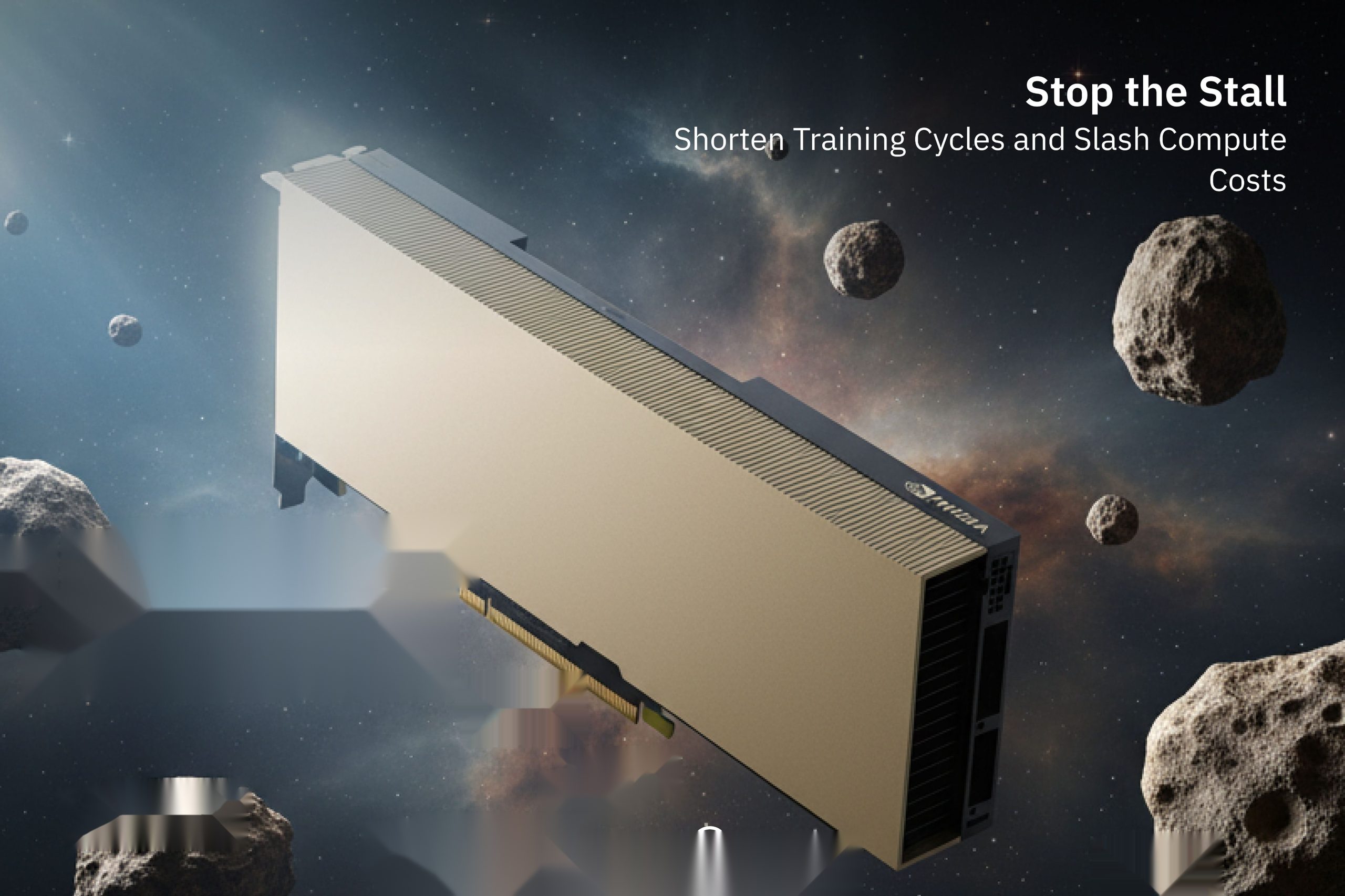
One of the biggest opportunities to optimize your investment? Choosing the right GPU—like the NVIDIA H200, which offers a powerful performance boost over the H100 with better memory bandwidth, at a proportionally higher cost. That kind of decision can save you six figures over time while still delivering GenAI performance at scale.
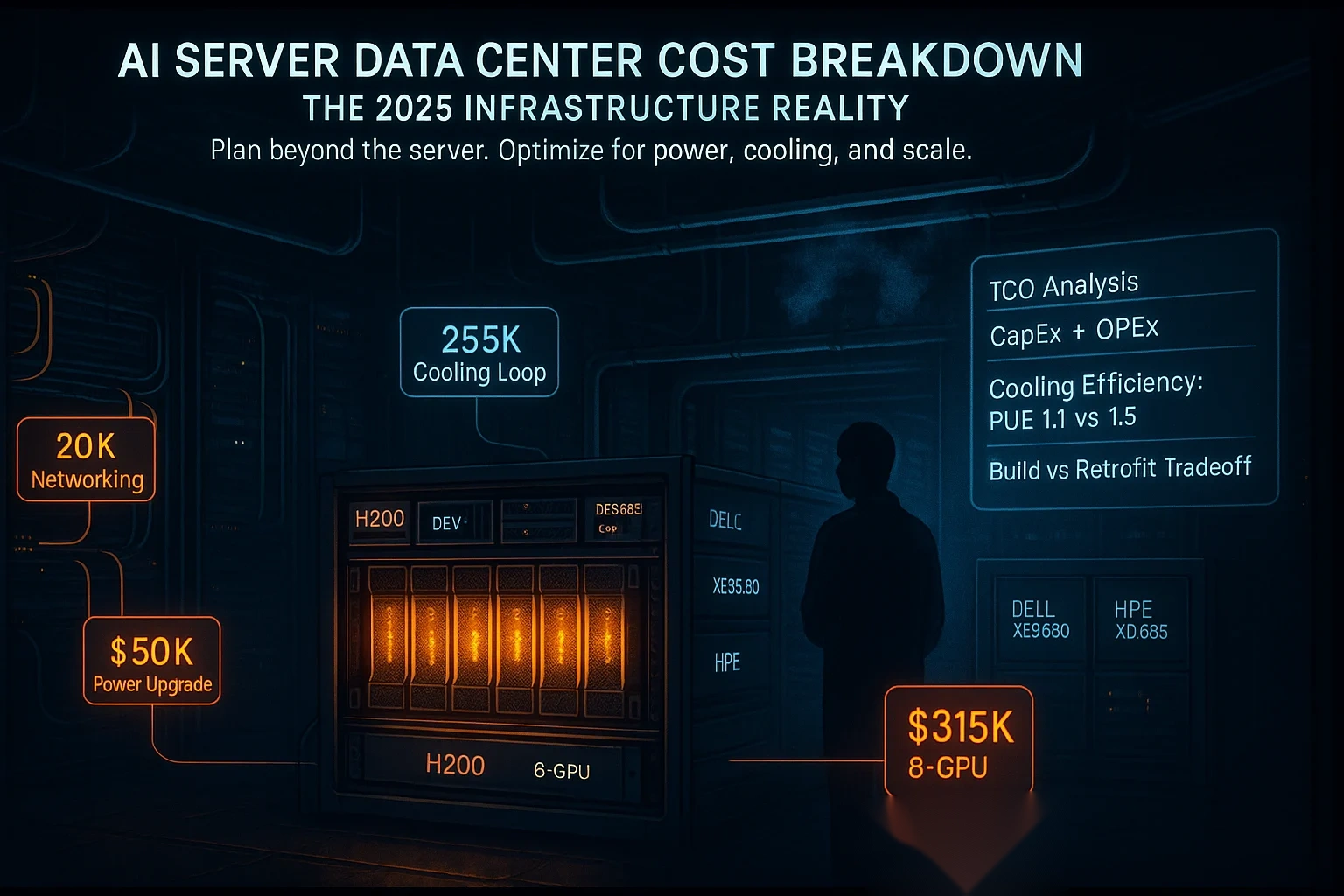
Beyond the obvious expenses such as hardware and installation, there are several hidden and ongoing costs that can significantly impact your total investment. This article explores those hidden costs and shows how choosing smart hardware like the H200 can help you build a more sustainable and cost-efficient AI infrastructure.
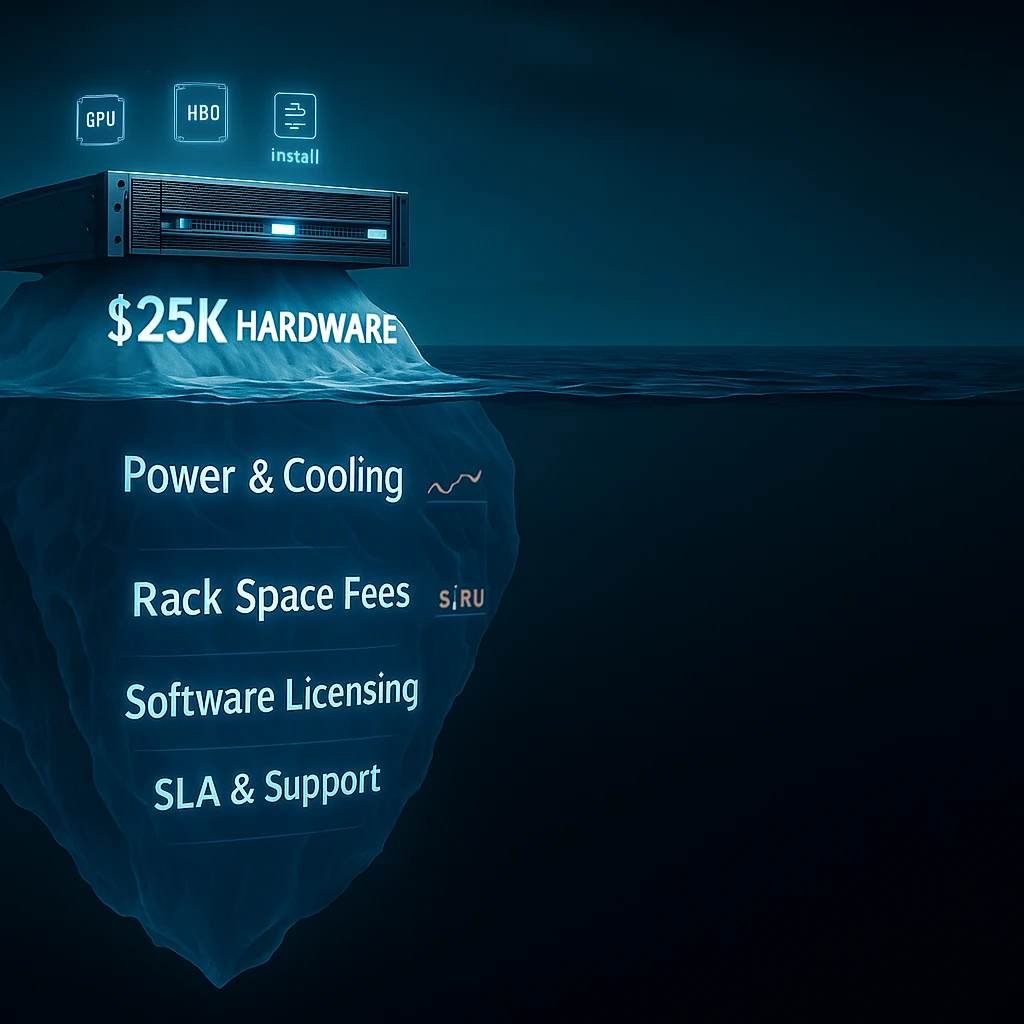
The Hidden Expenses That Catch Everyone Off Guard
1. Shipping Costs Hit Hard
AI servers are heavy, sensitive equipment requiring white-glove freight shipping, specialized packaging, and often insurance—especially when using high-performance components like multi-GPU servers with H200s. International shipping and customs can add 10–15% to your total cost. And if you opt for expedited delivery due to chip availability constraints (common with H100s), expect premium surcharges.
Tip: Since H200 availability has improved in recent quarters, you can avoid the rush-premium often associated with delayed H100 procurement.
2. Rack Space Isn’t Free
AI servers consume a lot of power and generate considerable heat, which requires advanced cooling systems. If you’re deploying H200-based servers, you benefit from its improved power efficiency and better thermal headroom compared to H100s. That means fewer cooling upgrades and lower monthly colocation bills.
Colocation costs per rack unit range from $100 to $500 per month. And since H200s can handle larger workloads with fewer GPUs, you may reduce the number of required rack units and power draws.
3. Software Licenses Add Up Fast
The costs of an AI server extend beyond hardware. You’ll need:
Because H200-equipped systems run more models concurrently and faster than H100s (thanks to 141GB of HBM3e memory and 4.8 TB/s bandwidth), you might avoid needing as many software licenses across distributed nodes. That efficiency can translate into long-term licensing savings.
4. Network Upgrades Are Essential
AI inference pipelines with large models require immense bandwidth. Most organizations need to upgrade to 25GbE or 100GbE networks to support these deployments. The H200’s improved I/O capabilities and optimized memory throughput reduce latency and improve utilization, meaning you can achieve performance parity with fewer servers—delaying or reducing major network investments.
Maintenance and Support: What You’re Really Paying For
Once your AI server is online, support becomes a critical, recurring cost. Understanding what’s covered in your vendor contracts—and what isn’t—is crucial.
Included in Basic Support
The Costly Extras
Reminder: GPU replacements are a major cost driver. Replacing a failed H100 post-warranty? ~$30,000. A failed H200? Still expensive, but with better reliability and coverage options available under certain vendor warranties.
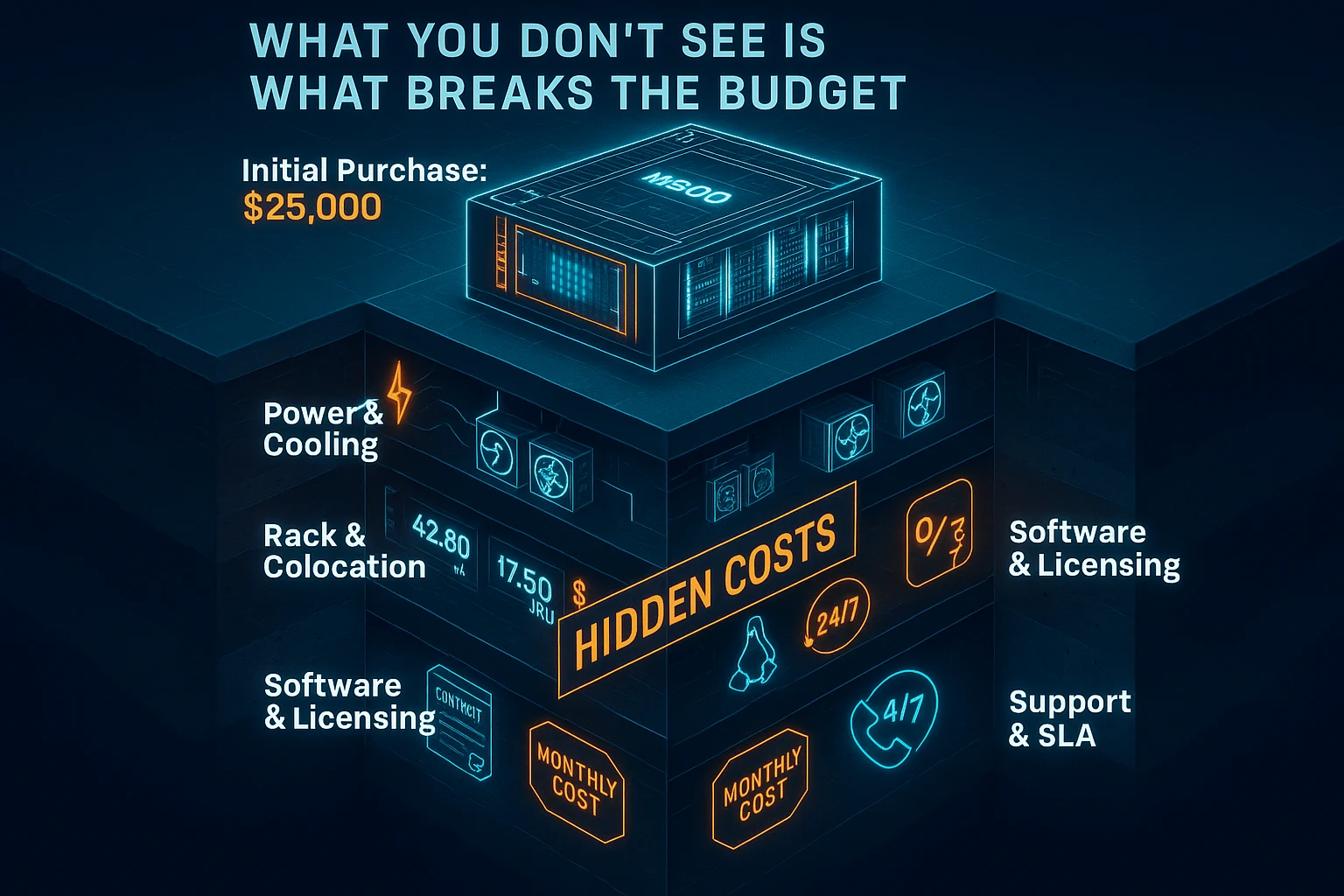
Warranties and Service Agreements: Essential, Not Optional
Standard Warranties
Typically cover hardware for 1–3 years, but may exclude labor or consumables (fans, batteries). Starts at purchase—not deployment.
Extended Warranties: Worth the Cost?
Absolutely—especially when running H200s in production. You can lock in coverage for GPUs that cost ~$20K–$25K each. A 5-year extended plan that includes GPU replacement, remote diagnostics, and on-site servicing can prevent $100K+ in unexpected expenses.
Tip: Some vendors offer extended warranties with rapid replacement guarantees for H200s, but not for H100s due to global inventory constraints.
SLAs and Response Times
Faster SLAs (e.g., 4-hour response) increase costs but reduce expensive downtime. Consider this: If your server makes $10,000 per day, a 3-day outage = $30K lost. SLA cost? Usually 15–20% of server price per year.
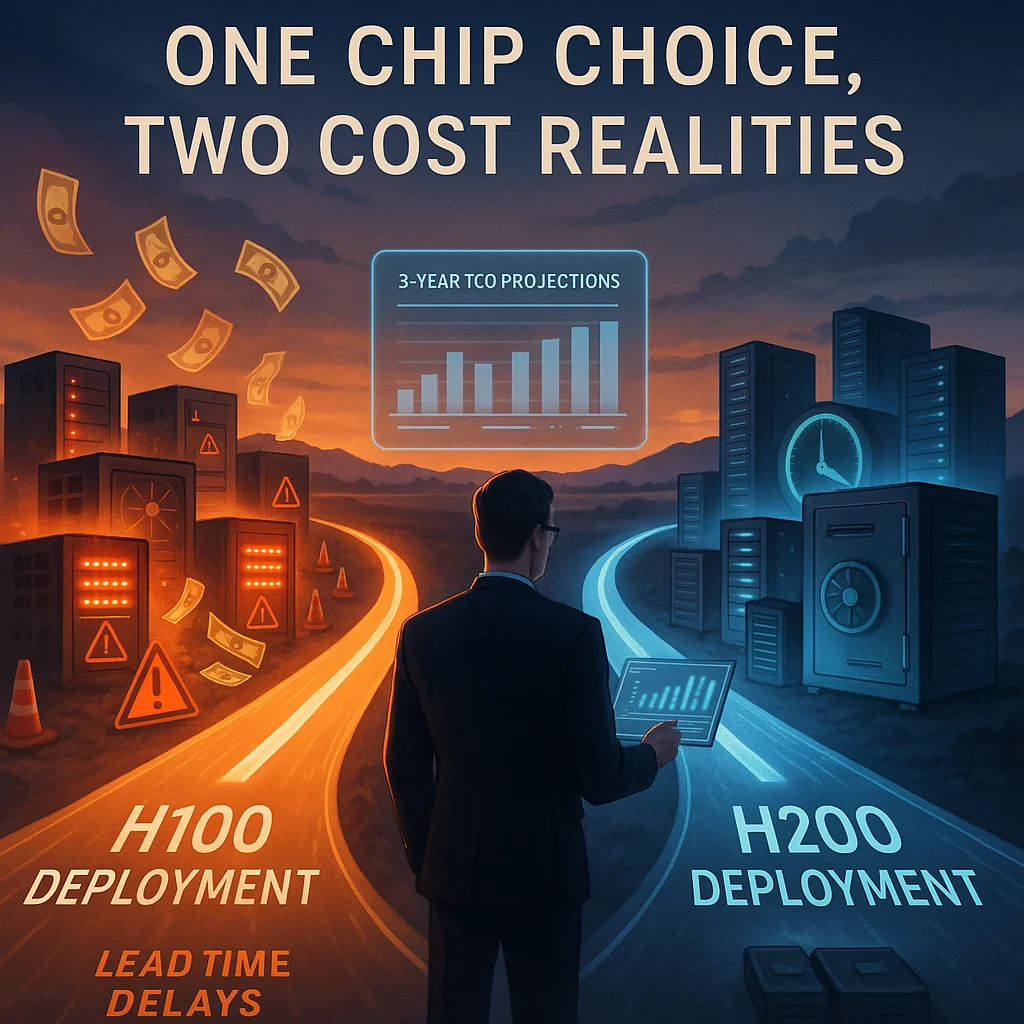
Real-World Cost Advantage: Why H200 Reduces TCO
The NVIDIA H200’s biggest financial advantage isn’t just performance—it’s TCO (Total Cost of Ownership). Let’s compare:
| Feature | H100 | H200 |
|---|---|---|
| Memory | 80GB HBM3 | 141GB HBM3e |
| Bandwidth | ~3.35 TB/s | 4.8 TB/s |
| Price | ~$30,000+ | ~$22,000–25,000 |
| Availability | Limited | Increasing supply |
| Power Draw | Higher | More efficient |
With the H200, you get more throughput per watt, higher model concurrency, and lower per-GPU cost—meaning you can run more GenAI services per node while keeping operational and cooling costs under control.
Planning Cost Buffers into Your AI Server Budget
Lead Time Risks
Ordering H100s still comes with high lead times and chip shortages. Rushed orders mean 20–30% higher costs. By contrast, H200s are increasingly in stock, and some server vendors pre-build configurations to reduce delays.
Emergency Replacements
A failed H100 might mean multi-week lead times. Some vendors already stock H200s for same-week replacements, reducing both cost and downtime.
Scaling for Growth
AI workloads scale faster than expected. With H200’s increased memory, fewer GPUs can serve more users. You may avoid rack expansions or new server purchases in your first year by over-provisioning with H200 instead of under-building with H100.
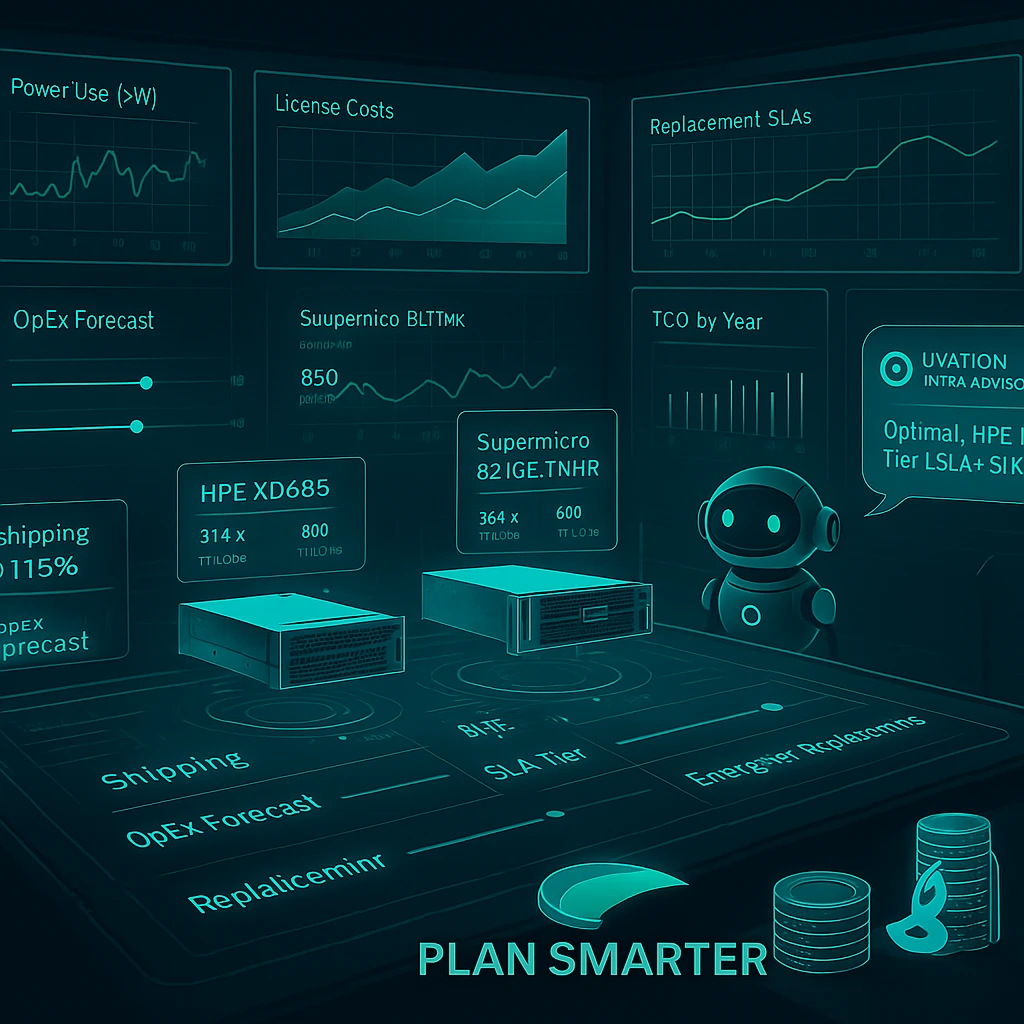
Practical Budgeting Guidelines
| Budget Item | Recommended Buffer |
|---|---|
| Shipping & lead time premiums | 15–20% |
| Emergency replacements | 10–15% |
| First-year scaling | 25–30% |
| Software licenses | 5–10% |
| Unexpected issues | 5–10% |
Using H200-based servers helps shrink some of these buffers thanks to greater memory per GPU and higher throughput—less hardware, fewer racks, and fewer licenses needed.
Final Thoughts: The Smart Way to Control AI Infrastructure Costs
Choosing the right AI server isn’t just about speed. It’s about stability, scalability, and cost management. The NVIDIA H200 offers one of the best value propositions in the current market, helping you avoid the hidden traps that drive up total infrastructure costs.
By understanding the true costs of an AI server—beyond just the sticker price—you can make strategic, future-ready decisions. Whether you’re budgeting for one server or building a global GenAI platform, the H200 is a strong foundation for efficiency and growth.
Ready to deploy smarter AI infrastructure with H200-powered servers?
Talk to Semifly’s AI deployment experts and explore custom-built servers designed for your workloads, budget, and scale goals.
We are writing frequenly. Don’t miss that.


Unregistered User
It seems you are not registered on this platform. Sign up in order to submit a comment.
Sign up now