


SemiflyContact
FEATURED STORY OF THE WEEK

H200 Computing: Powering the Next Frontier in Scientific Research

Written by :  
semifly
Team Semifly
9 minute read 7 minute read 
July 21, 2025
Category : Datacenter
H200 Computing: Powering the Next Frontier in Scientific Research

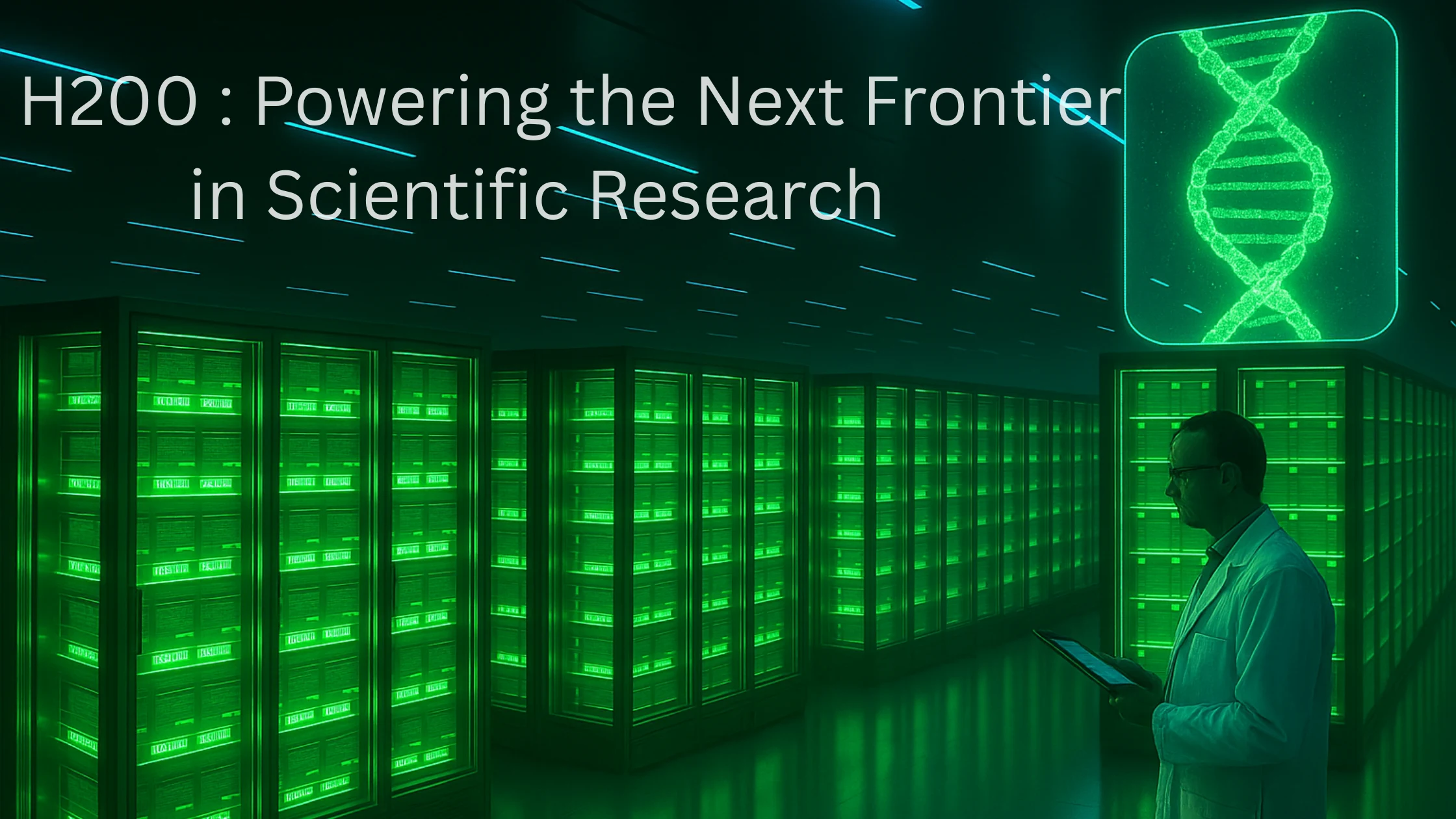
Beyond chatbots and copilots, a quieter revolution is underway in laboratories and research institutions. GPU computing — and the NVIDIA H200 in particular — is compressing timelines for discovery in fields from molecular biology to climate science.

Simulation at new scale

Scientific computing has always been bounded by how much you can simulate and how quickly. The H200's memory capacity and bandwidth let researchers model larger systems — more atoms, finer grids, longer time steps — without partitioning problems across dozens of nodes. Fewer partitions mean less communication overhead and faster results.

AI-accelerated discovery

Increasingly, research blends traditional simulation with machine learning: surrogate models that approximate expensive calculations, or AI that proposes candidates for a simulator to verify. These hybrid workflows are exactly what high-memory GPUs excel at, running both the learned model and the numerical solver close together.

Where it makes a difference

  • Life sciences — protein folding, drug candidate screening, genomics.
  • Climate & weather — higher-resolution models, faster ensembles.
  • Materials — simulating novel compounds before synthesis.
  • Physics — large-scale numerical experiments and data analysis.

Infrastructure for research

Research workloads are bursty and varied, which makes flexible, well-architected GPU infrastructure especially valuable. Semifly helps institutions build environments that serve many investigators and workload types without idle capacity or contention — turning compute into a shared accelerator for discovery.

Bookmark me
Share on
Comments
Add your Comment

Explore Nvidia’s GPUs

Find a perfect GPU for your company etc etc
Go to Shop

FAQs

  • The NVIDIA H200 is the latest Graphics Processing Unit (GPU) specifically engineered to revolutionise High-Performance Computing (HPC) and Artificial Intelligence (AI). It acts as a supercharged engine for computational tasks, enabling the efficient handling of massive datasets and complex calculations that often overwhelm traditional computing systems. Its importance lies in its ability to overcome common bottlenecks in scientific research, such as limited memory for large datasets and slow processing speeds for intricate computations, thereby accelerating breakthroughs in fields like climate science, drug discovery, and genomics.

  • The H200 introduces several significant technical advancements. Firstly, it boasts an unprecedented 141GB of ultra-fast HBM3e memory, nearly doubling the capacity of its predecessor, the H100. This allows entire genome datasets or high-resolution climate models to fit within a single GPU, eliminating slow data transfers. Secondly, it delivers blazing speed with its upgraded architecture, providing 2x faster AI training and simulation speeds due to accelerated mixed-precision calculations (FP16 and FP8). This can reduce experiment times from weeks to days. Finally, it ensures effortless scaling and compatibility; it uses the same physical design as the H100, allowing for seamless upgrades in existing infrastructure, and supports NVLink for connecting multiple H200 GPUs to form supercomputer-level power.

  • Many research institutions face challenges with limited access to cutting-edge computing resources due to high costs and hardware limitations. The H200 directly bridges this gap by making advanced AI and simulation tools more accessible. Its 2x faster performance in FP16 processing significantly cuts down the time required for experiments, leading to lower cloud computing costs and reduced energy consumption per project. Furthermore, major cloud platforms now offer H200 instances, allowing researchers to rent computational power on an hourly basis, democratising access to supercomputing capabilities that were once exclusive to large national facilities. NVIDIA’s extensive software ecosystem, including CUDA and cuDNN, also simplifies the adoption and optimisation of the H200 for diverse scientific applications.

  • The H200 particularly excels in scientific workloads that demand immense computational power and memory. In Climate Science, its large memory and bandwidth enable ultra-high-resolution models, improving predictions for extreme weather events. For Drug Discovery, it dramatically accelerates molecular dynamics simulations, slashing screening times for new treatments. In Astrophysics and Genomics, it efficiently processes petabytes of telescope data and entire whole-genome sequencing datasets, speeding up research into cosmic signals and genetic diseases. Additionally, in Generative AI, its substantial memory capacity allows for the training of massive scientific large language models (LLMs) on a single GPU, enabling automated literature reviews and rapid insight extraction from vast amounts of research papers.

  • The H200 is designed for seamless integration into existing High-Performance Computing (HPC) environments, preventing the need for costly overhauls. It serves as a direct, drop-in replacement for older H100 GPUs in NVIDIA DGX supercomputers, meaning labs can upgrade their systems without altering servers, power infrastructure, or cooling setups. This preserves prior investments and significantly reduces deployment time. Furthermore, NVIDIA provides pre-optimised software tools through the NVIDIA AI Enterprise Suite, offering certified containers for popular HPC applications. Its built-in Message Passing Interface (MPI) support also facilitates distributed computing across thousands of H200 GPUs, enabling complex tasks to be efficiently run across global research networks.

  • The H200 offers significant advancements in sustainable computing by delivering improved energy efficiency. It provides 2x more performance per watt compared to its predecessor, the H100. This means that tasks, such as training a large language model, consume half the energy on H200 systems. This reduction in energy consumption directly translates into lower electricity costs for institutions and helps to decrease their carbon emissions, which is crucial for those aiming for net-zero computing targets. The enhanced efficiency also means that fewer H200 GPUs are needed to achieve the same computational power as older systems (e.g., a 20-GPU cluster achieving the work of 40 older GPUs), thereby also shrinking the physical footprint of computing infrastructure.

  • The H200 plays a crucial role in democratising supercomputing power, making advanced research capabilities accessible to smaller institutions and individual researchers who might not have the budget for dedicated, on-premises supercomputers. By offering instances on major cloud platforms like AWS, Azure, and Google Cloud, the H200 allows scientists to rent powerful computing resources hourly for specific experiments. This means a small university lab can now undertake astrophysics simulations or protein folding predictions that were previously only feasible at national facilities with massive resources. This accessibility enables breakthroughs at a wider range of institutions, fostering a more inclusive research landscape.

  • The NVIDIA H200 is poised to usher in a new era of scientific discovery by eliminating long-standing computational bottlenecks. Its revolutionary memory capacity and significant performance gains will enable researchers to run larger, more accurate models, tackling problems at scales previously deemed impossible – from atomic-level drug interactions to planet-scale climate systems. This enhanced capability will accelerate breakthrough discoveries, such as real-time prediction of extreme weather, the screening of billions of drug compounds in days, and the analysis of entire human genomes on a single GPU. By making such ambitious projects feasible and accessible, the H200 is set to fundamentally reshape what science can achieve, pushing the boundaries of knowledge and innovation.

More Similar Insights and Thought leadership

Zero-Trust Security Implementation: How Managed Services Turn Strategy into Continuous Protection

Zero-Trust Security Implementation: How Managed Services Turn Strategy into Continuous Protection

Zero-trust security replaces obsolete perimeter defenses with a model that assumes breach and mandates explicit verification for every access request, regardless of location,,. Unlike static…
14 minute read
Energy and Utilities
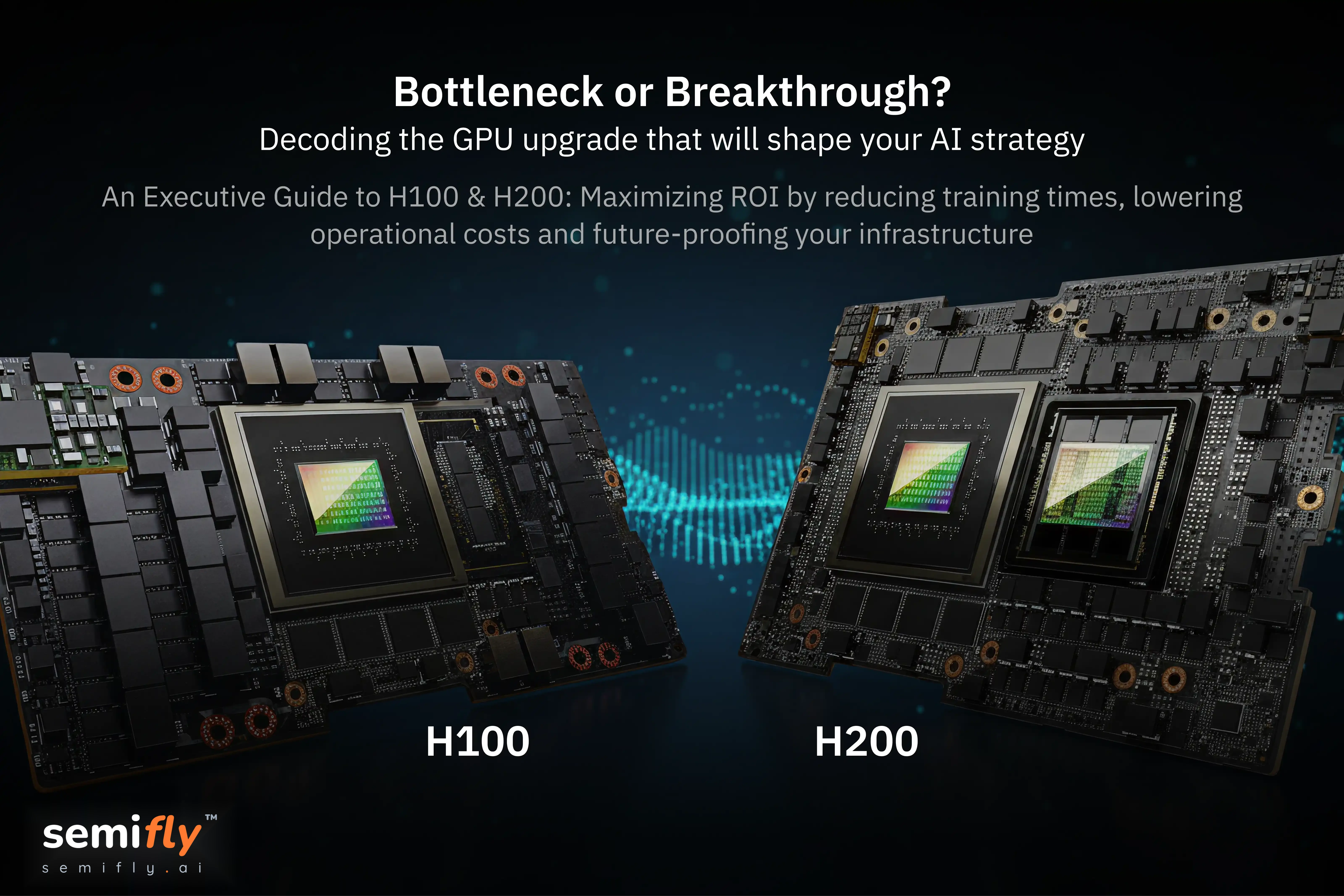
H100 vs H200 Performance Comparison: Decoding the GPU Upgrade That Will Shape Enterprise AI

H100 vs H200 Performance Comparison: Decoding the GPU Upgrade That Will Shape Enterprise AI

The NVIDIA H200 GPU enhances the H100, sharing the same Hopper architecture but targeting performance bottlenecks in large-scale AI. The key upgrade is its memory…
10 minute read
Energy and Utilities
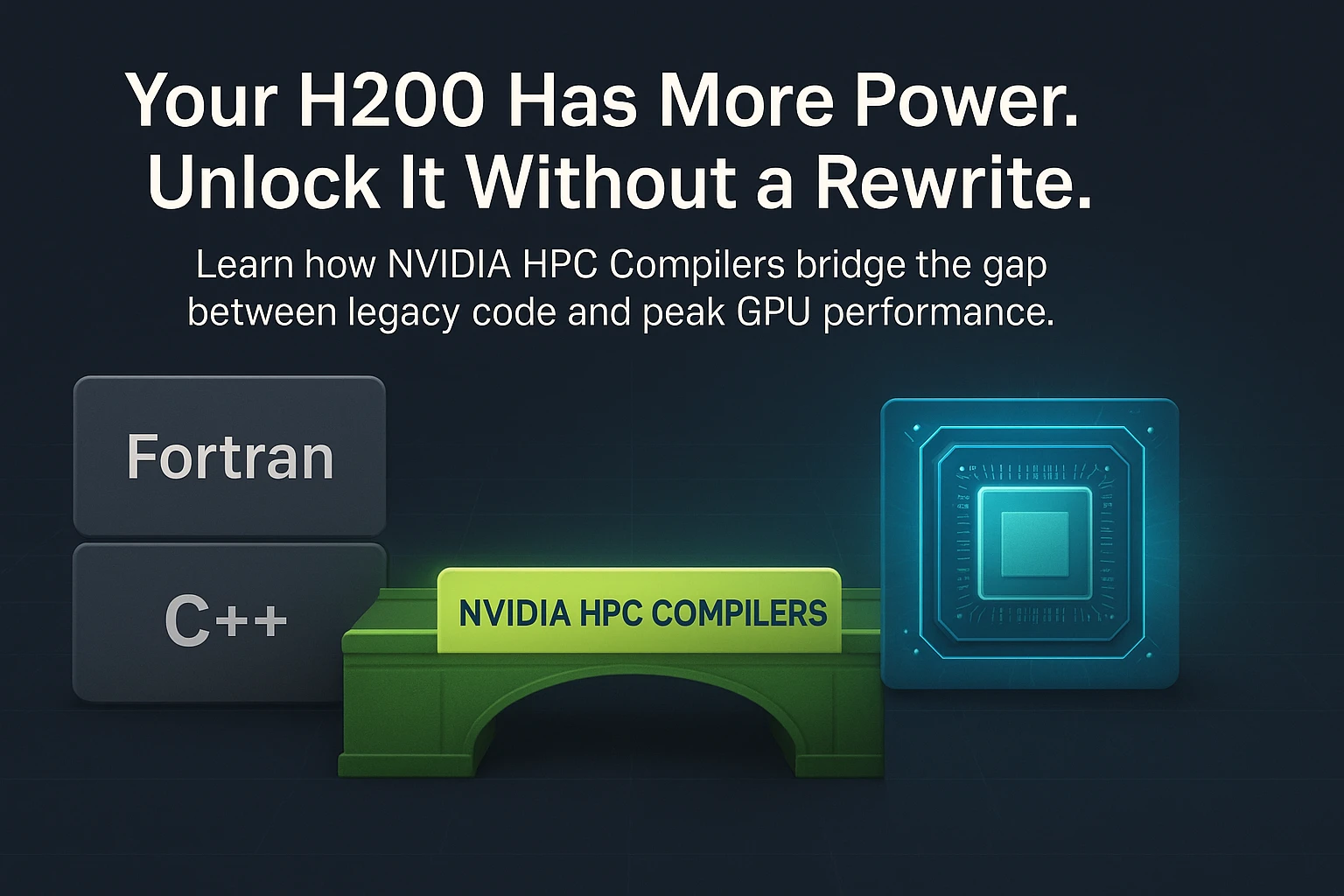
Accelerating Workflows with NVIDIA HPC Compilers: Unlocking Performance on NVIDIA H200 GPUs

Accelerating Workflows with NVIDIA HPC Compilers: Unlocking Performance on NVIDIA H200 GPUs

The NVIDIA HPC Compiler stack is essential for bridging the gap between the raw power of hardware like the NVIDIA H200 GPU and real-world application…
18 minute read
Energy and Utilities
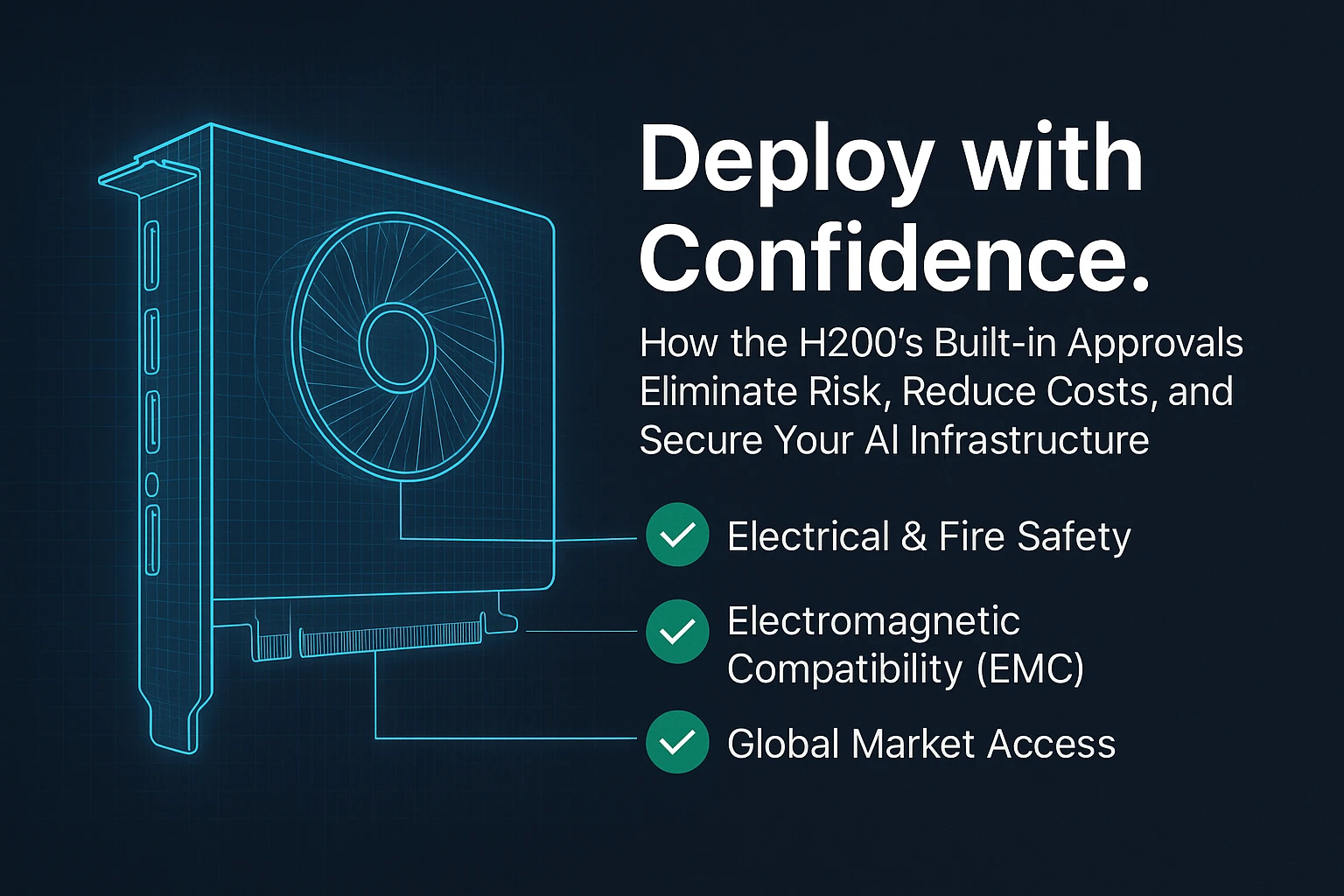
NVIDIA H200 Regulatory Approvals: Ensuring Safe and Compliant AI and HPC Deployments 

NVIDIA H200 Regulatory Approvals: Ensuring Safe and Compliant AI and HPC Deployments 

The NVIDIA H200 GPU has numerous regulatory approvals, which are essential for safe, legal, and reliable deployment of AI and high-performance computing (HPC) workloads globally.…
8 minute read
Energy and Utilities
GPUs in University Research: Powering the Next Era of Discovery

GPUs in University Research: Powering the Next Era of Discovery

Universities are increasingly adopting Graphics Processing Units (GPUs) to accelerate research in fields like medicine, climate science, and artificial intelligence, which depend on processing massive…
14 minute read
Energy and Utilities
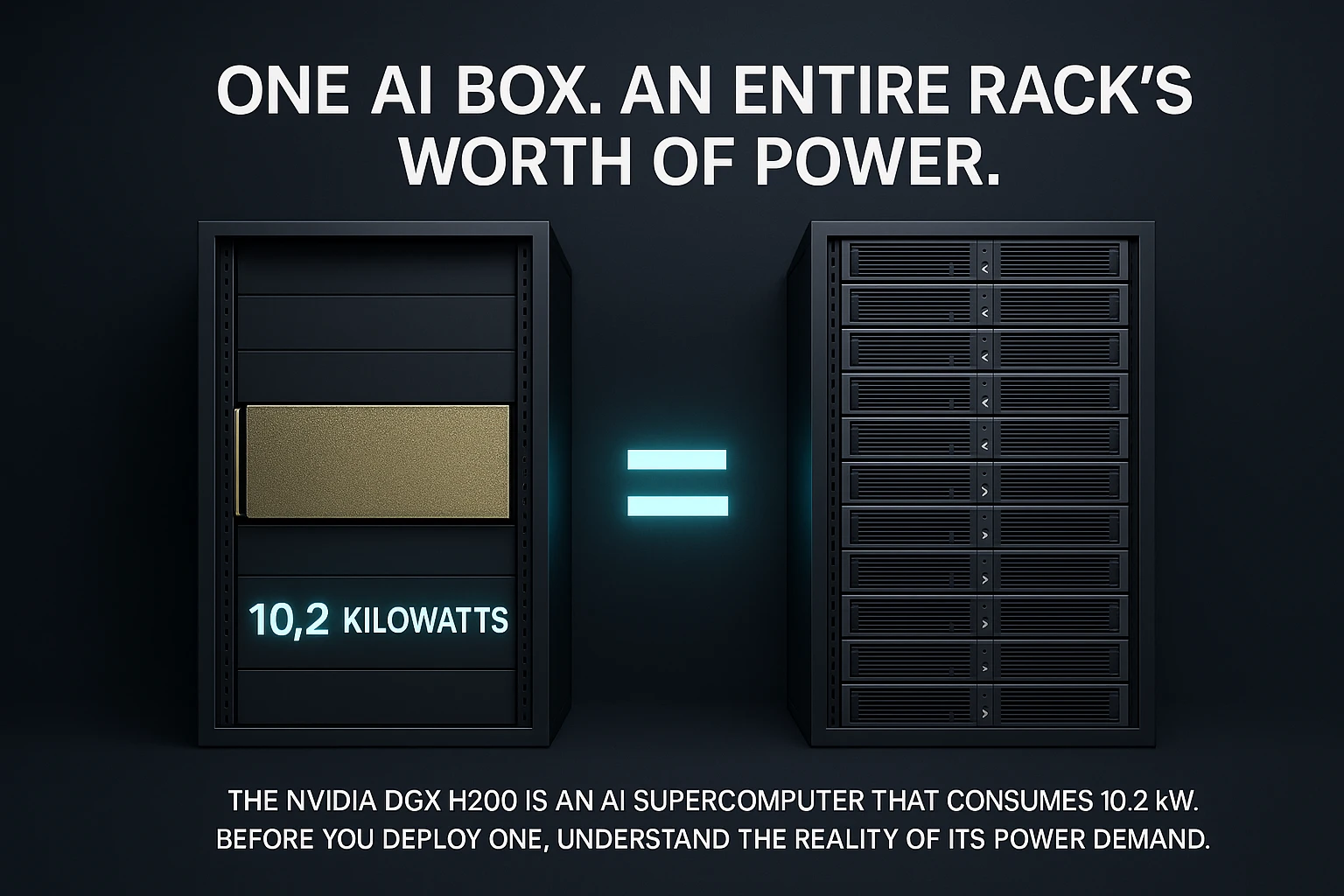
NVIDIA DGX H200 Power Consumption: What You Absolutely Must Know

NVIDIA DGX H200 Power Consumption: What You Absolutely Must Know

The NVIDIA DGX H200 is a powerful, factory-built AI supercomputer designed for complex AI and research tasks. Its high performance, driven primarily by eight H200…
14 minute read
Energy and Utilities
semifly