
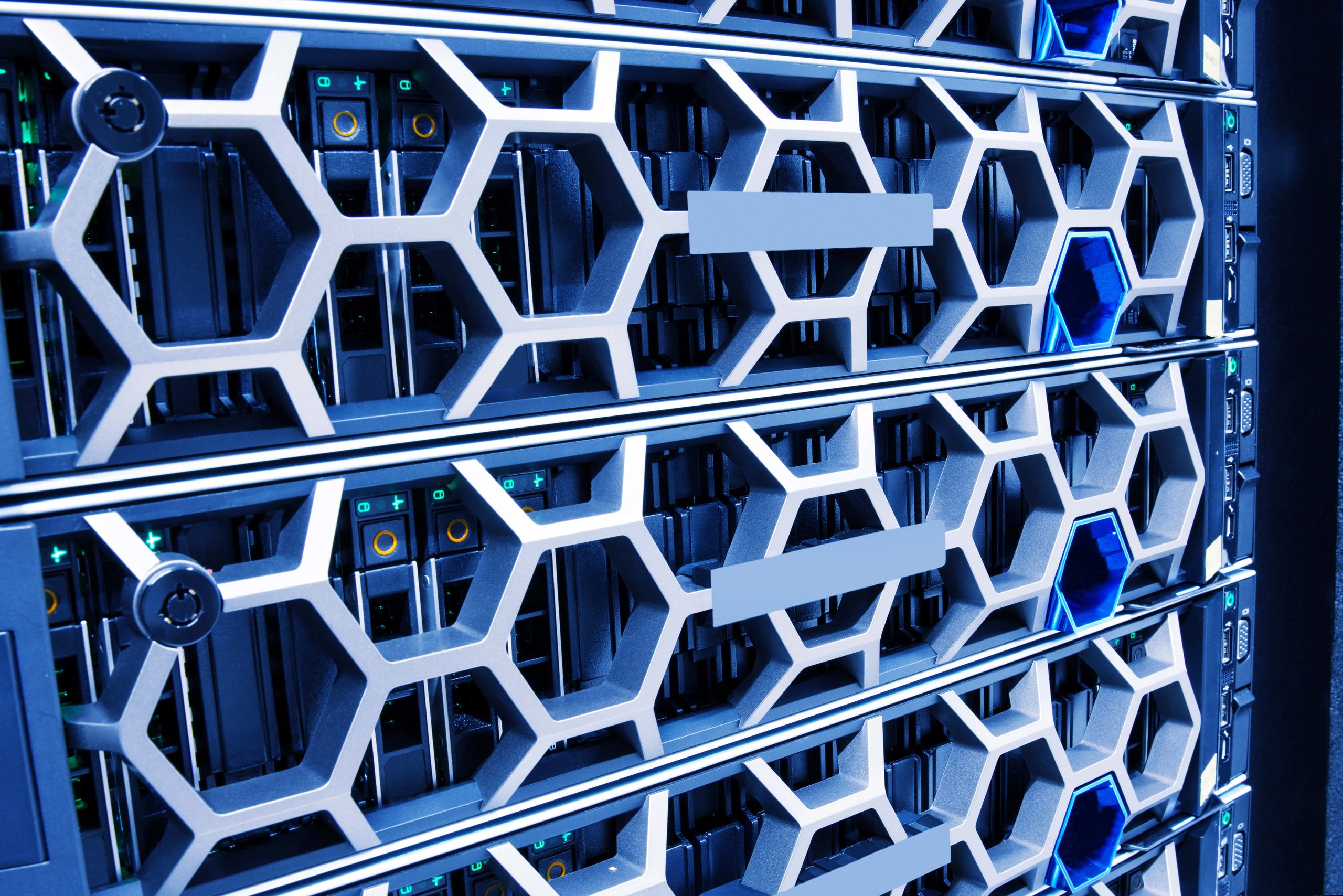
The distance between “we need AI infrastructure” and “our models are running on it” is where AI initiatives go to stall. Spec confusion, quote cycles measured in weeks, allocation uncertainty on popular GPUs, and the integration gap between delivered hardware and working clusters—each adds friction precisely where businesses can least afford it. The Semifly Marketplace exists to compress that distance: curated high-performance AI systems, transparent configurations, and the deployment expertise attached to the transaction rather than sold separately.
Key Takeaways
- AI procurement friction—spec complexity, quote latency, allocation risk—is a real tax on time-to-value.
- A curated marketplace replaces catalog sprawl with validated configurations mapped to workload classes.
- Transparent pricing and availability turn weeks of quoting into decisions made in days.
- Hardware plus deployment discipline—burn-in, integration, support—is the actual product; boxes alone are not capability.
01Why AI procurement hurts
Traditional enterprise purchasing assumed commodity servers: predictable specs, stable supply, modest stakes per unit. AI hardware broke every assumption—configurations where one wrong choice (interconnect, memory tier, cooling) strands six figures; supply that fluctuates with global GPU allocation; and a vendor quote dance that burns the very quarters the AI roadmap promised to deliver in. Meanwhile the workloads wait, and waiting has competitors.
02What curation actually does
- Validated configurations, not catalogs: systems—from single-node GPU servers to multi-node training pods—pre-matched to workload classes: fine-tuning, inference serving, training at scale. The “which 40 options matter” problem disappears.
- Spec honesty: every listing states the things buyers discover too late elsewhere—power draw, cooling requirements, interconnect topology, what the configuration is not suited for.
- Transparent pricing and availability: real numbers and real lead times up front, so the build-vs-cloud-vs-buy decision runs on data instead of quote archaeology.
- Comparable alternatives side by side: Supermicro density against Dell serviceability against integrated DGX-class systems—trade-offs visible, not buried in vendor decks.
03The part after the purchase order
Hardware arriving is the midpoint, not the finish. Marketplace deployments carry the operational discipline this publication keeps preaching: facilities validation before shipment (power, cooling, rack space—confirmed, not assumed), professional integration and the full burn-in protocol—sustained load, memory and fabric validation, checkpoint-recovery drills—before production handoff, and support relationships with defined response times for the GPU swap that will eventually be needed. Buyers get capability with baselines documented, not crates with potential.
04Who it serves best
The marketplace model fits organizations that know their workload and want the procurement layer to move at the workload's urgency: AI teams scaling from cloud experiments to owned baselines, enterprises adding inference capacity against measured demand, and partners building repeatable stacks for clients. The pitch is deliberately modest and deliberately measurable—the same capability, landed weeks sooner, with the integration risk somebody else's problem by contract. In a market where model cycles outpace procurement cycles, those weeks are the product.
Ready to put this into practice?
Talk to the Semifly team about your infrastructure, security, and compliance roadmap.
Contact Us