
SemiflyContact
FEATURED STORY OF THE WEEK

NVIDIA Cybersecurity AI: Using Technology to Fight Modern Threats

Written by :  
semifly
Team Semifly
13 minute read 7 minute read 
September 3, 2025
Category : Datacenter
NVIDIA Cybersecurity AI: Using Technology to Fight Modern Threats

Attackers increasingly use automation and AI; defenders must do the same. NVIDIA's accelerated computing and AI frameworks are being applied to cybersecurity, enabling defense that operates at machine speed and scale.

Why AI-driven defense

The volume of security telemetry far exceeds what human analysts can review. AI models can sift enormous data streams in real time, spotting subtle anomalies and known attack patterns that would otherwise slip through.

Where acceleration helps

  • Anomaly detection — flagging unusual behavior across networks and endpoints.
  • Real-time analysis — processing telemetry at line rate.
  • Threat hunting — surfacing weak signals for human investigation.

Key takeaways

  • Attackers use AI; defenders must match the speed.
  • AI handles telemetry volumes humans cannot.
  • Acceleration enables real-time detection at scale.
  • AI augments analysts; it does not replace them.

Defense at machine speed

Deploying AI-driven security takes the right compute and integration. Semifly helps organizations build the infrastructure that lets accelerated cybersecurity tools deliver on their promise.

Bookmark me
Share on
Comments
Add your Comment

Explore Nvidia’s GPUs

Find a perfect GPU for your company etc etc
Go to Shop

FAQs

  • AI cybersecurity leverages artificial intelligence and machine learning to detect, predict, and respond to cyber threats in real time. Unlike traditional rule-based systems, AI can learn from vast datasets, adapt to new attack methods, and act swiftly without human intervention. This capability is vital because modern cyberattacks, such as AI-driven phishing and ransomware, are evolving rapidly in speed and sophistication, overwhelming legacy defences. AI’s ability to analyse massive amounts of data for anomaly detection, coupled with automated responses, offers critical protection in high-stakes sectors like finance, healthcare, and government, where the impact of a breach can be severe.

  • The NVIDIA Cybersecurity AI Platform is an integrated defence stack combining hardware, software, and AI frameworks. Key components include:


    NVIDIA Morpheus: An open, GPU-accelerated framework for building AI-powered cybersecurity pipelines, enabling real-time anomaly detection at scale.


    BlueField DPUs with DOCA SDK: Data Processing Units that offload and accelerate security tasks at the infrastructure layer, enhancing efficiency and isolating workloads.


    Confidential Computing: A security model that keeps data encrypted even while it is actively being processed, protecting against in-memory attacks and insider threats.


    NIM Microservices & AI Blueprints: Prebuilt, GPU-optimized microservices and workflows that accelerate the deployment of AI cybersecurity solutions for common use cases.


    Agentic AI with NeMo Agents: An emerging capability that allows AI systems to autonomously monitor, investigate, and remediate security incidents without human delays. This platform is designed to provide layered, intelligent, and adaptive defences against complex cyberattacks.

  • NVIDIA Morpheus is a GPU-accelerated framework specifically designed for real-time monitoring and threat detection in AI cybersecurity. It allows AI models to scan massive volumes of network data as it flows, identifying anomalies like phishing attempts, malware, insider threats, and unusual network traffic much faster than traditional tools. Morpheus achieves this speed through integration with RAPIDS, NVIDIA’s open-source data science framework, which accelerates data preprocessing and model training on GPUs, and the Triton Inference Server, enabling scalable AI model deployment. This empowers organisations, such as banks, to detect suspicious activities in millions of transactions per second, reducing the risk of significant losses and bolstering defences against AI-driven attacks.

  • NVIDIA BlueField DPUs (Data Processing Units) are specialised processors that offload and accelerate data movement, security, and storage tasks directly at the network interface. This reduces the burden on CPUs, allowing them to focus on business applications. In cybersecurity, BlueField DPUs enhance protection by isolating workloads and filtering, encrypting, and monitoring data at the network level, thereby reducing the attack surface. The DOCA SDK (Data-Center-on-a-Chip Architecture Software Development Kit) complements BlueField hardware by providing tools for developers to build zero-trust security applications. This enables capabilities like microsegmentation at the hardware level, preventing lateral movement of threats within a network and ensuring robust, programmable security without compromising operational speed.

  • Traditional security measures protect data when it’s stored (at rest) or moving (in transit) but leave a gap when data is actively being processed (in use). Confidential computing addresses this by utilising Trusted Execution Environments (TEEs) within processors. TEEs create secure, isolated areas where data remains encrypted and protected during computation, even if the operating system or hypervisor is compromised. With NVIDIA GPUs, confidential computing extends this protection to AI models, training datasets, and inference pipelines, ensuring sensitive information such as medical records or financial transactions remains secure during processing. This is crucial for compliance with regulations like HIPAA, GDPR, and PCI DSS, making it invaluable for industries handling highly sensitive data.

  • Building AI cybersecurity systems from scratch is often complex and time-consuming. NIM microservices and AI Blueprints significantly simplify and accelerate this process. NIM microservices are prepackaged, GPU-optimized APIs for tasks like natural language processing, anomaly detection, or real-time inference. They allow security teams to deploy AI models rapidly by calling these APIs, reducing development time. AI Blueprints provide ready-made workflows for common cybersecurity challenges, such as CVE triage, phishing detection, and threat detection pipelines. Together, these technologies enable IT and security teams to prototype quickly, customise solutions easily, and scale deployments efficiently across enterprise environments, significantly reducing the time and effort required to implement AI-powered defences.

  • Traditional security systems primarily generate alerts, requiring human analysts to decide on the next steps, which introduces delays that attackers can exploit. Agentic AI, exemplified by NVIDIA NeMo Agents, transforms this model by enabling AI-driven autonomous agents to not only detect threats but also take proactive actions. These agents continuously learn, adapt, and act independently. For instance, instead of just flagging a compromised virtual machine, an Agentic AI system can immediately detect the anomaly, cross-check it against threat patterns, isolate the VM, and then notify the security operations centre (SOC) team of the action already taken. This creates a “security flywheel,” where defences become stronger and faster with each incident, leading to more proactive and adaptive cybersecurity.

  • AI cybersecurity is already delivering tangible benefits across various industries:


    Phishing and Identity Protection: AI-powered systems can scan emails, chats, and web traffic in real time to detect subtle patterns in AI-generated phishing attempts that traditional filters miss, stopping campaigns before they reach employees.


    Automated Vulnerability Triage: AI helps security teams prioritise thousands of new Common Vulnerabilities and Exposures (CVEs) by automatically analysing their severity, exploitability, and relevance, reducing patching delays and preventing exploitation.


    Critical Infrastructure Security: AI platforms monitor vast utility, telecom, and energy networks at scale, detecting anomalies like unusual traffic patterns or attempts to disrupt industrial control systems, protecting services essential to millions.


    Insider Threat Detection: By continuously monitoring user behaviour, AI cybersecurity can flag or block suspicious activities, such as an employee downloading thousands of files at an unusual hour or attempting to access databases outside their normal role, mitigating data exfiltration and compliance breaches.

More Similar Insights and Thought leadership

Zero-Trust Security Implementation: How Managed Services Turn Strategy into Continuous Protection

Zero-Trust Security Implementation: How Managed Services Turn Strategy into Continuous Protection

Zero-trust security replaces obsolete perimeter defenses with a model that assumes breach and mandates explicit verification for every access request, regardless of location,,. Unlike static…
14 minute read
Energy and Utilities
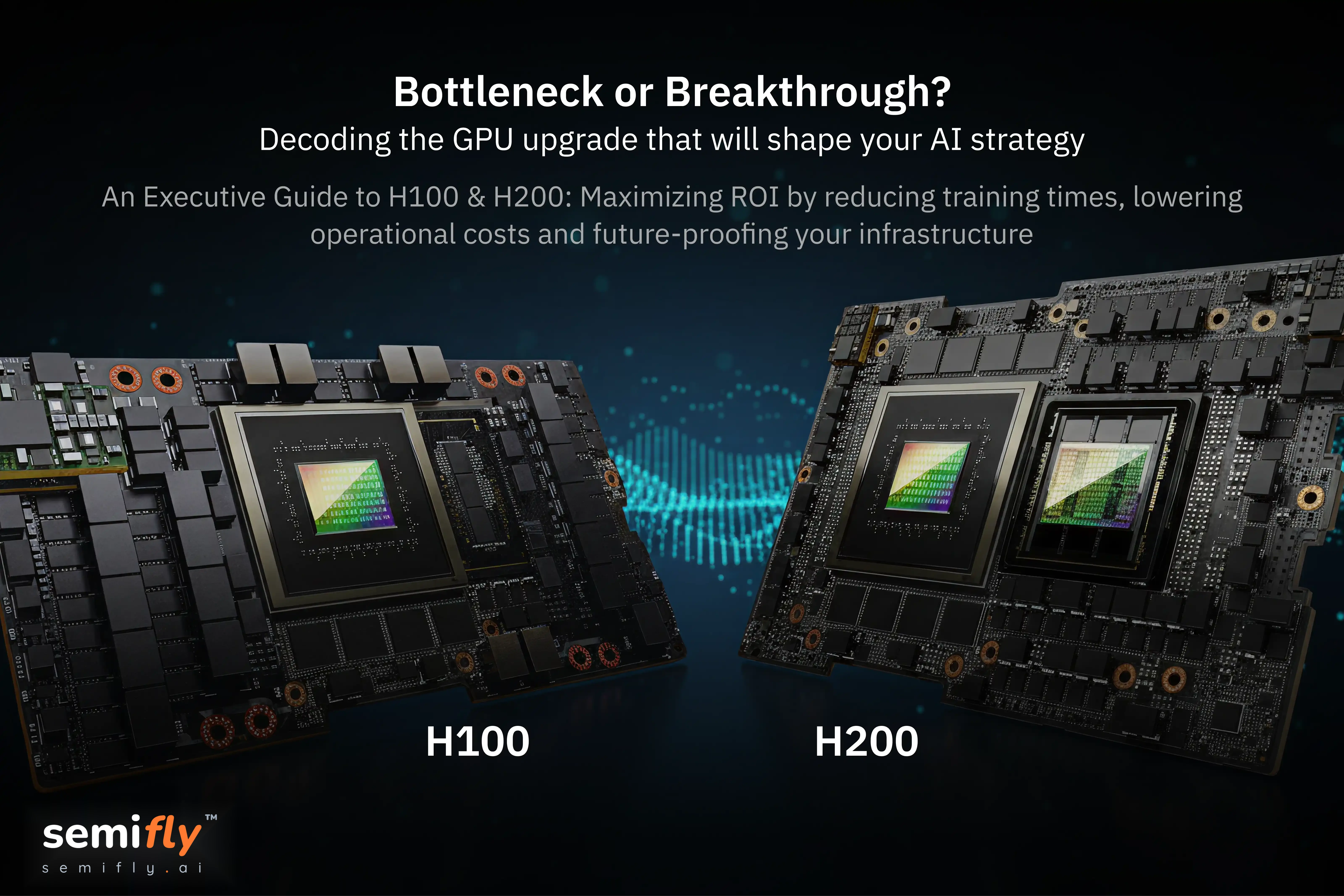
H100 vs H200 Performance Comparison: Decoding the GPU Upgrade That Will Shape Enterprise AI

H100 vs H200 Performance Comparison: Decoding the GPU Upgrade That Will Shape Enterprise AI

The NVIDIA H200 GPU enhances the H100, sharing the same Hopper architecture but targeting performance bottlenecks in large-scale AI. The key upgrade is its memory…
10 minute read
Energy and Utilities
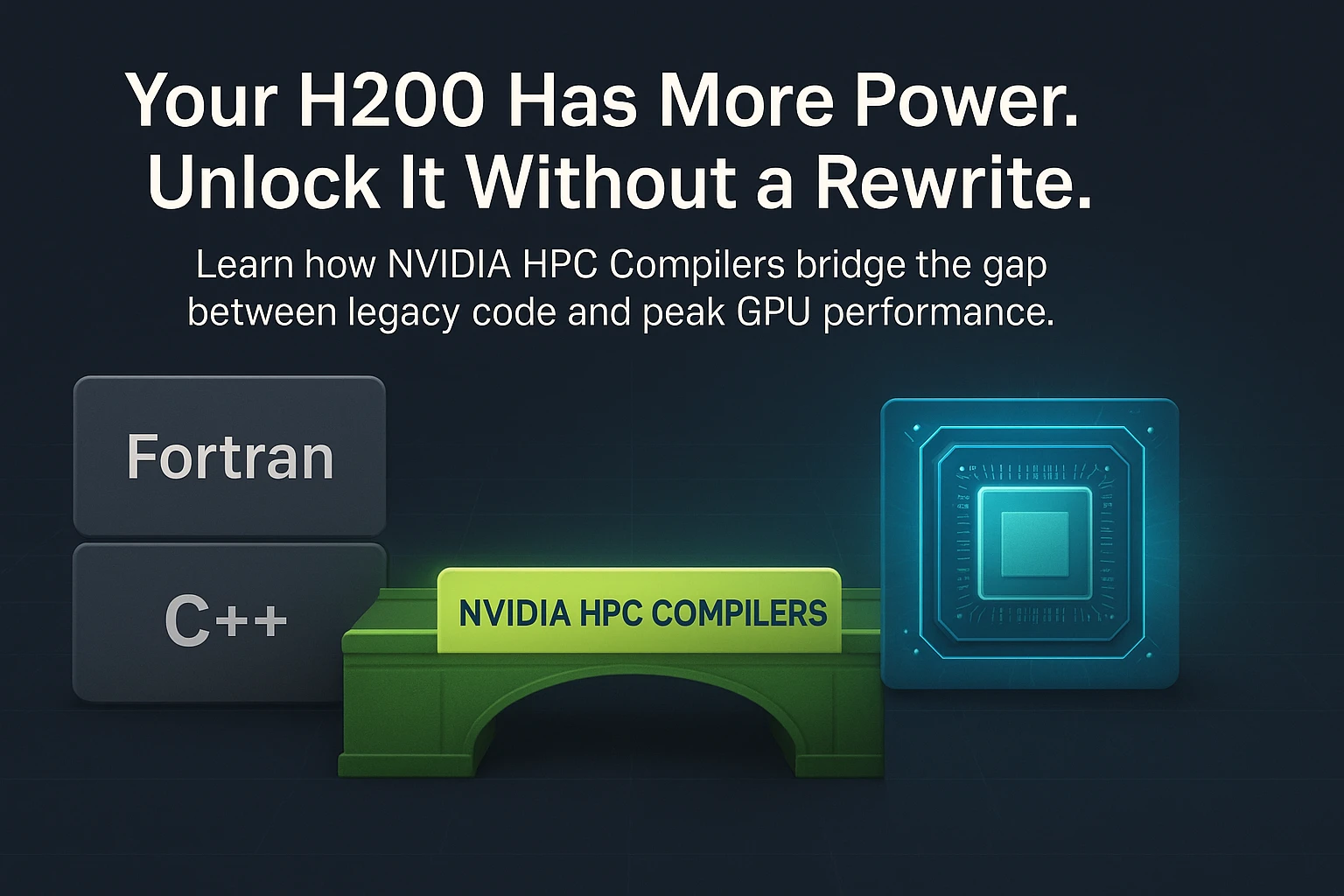
Accelerating Workflows with NVIDIA HPC Compilers: Unlocking Performance on NVIDIA H200 GPUs

Accelerating Workflows with NVIDIA HPC Compilers: Unlocking Performance on NVIDIA H200 GPUs

The NVIDIA HPC Compiler stack is essential for bridging the gap between the raw power of hardware like the NVIDIA H200 GPU and real-world application…
18 minute read
Energy and Utilities
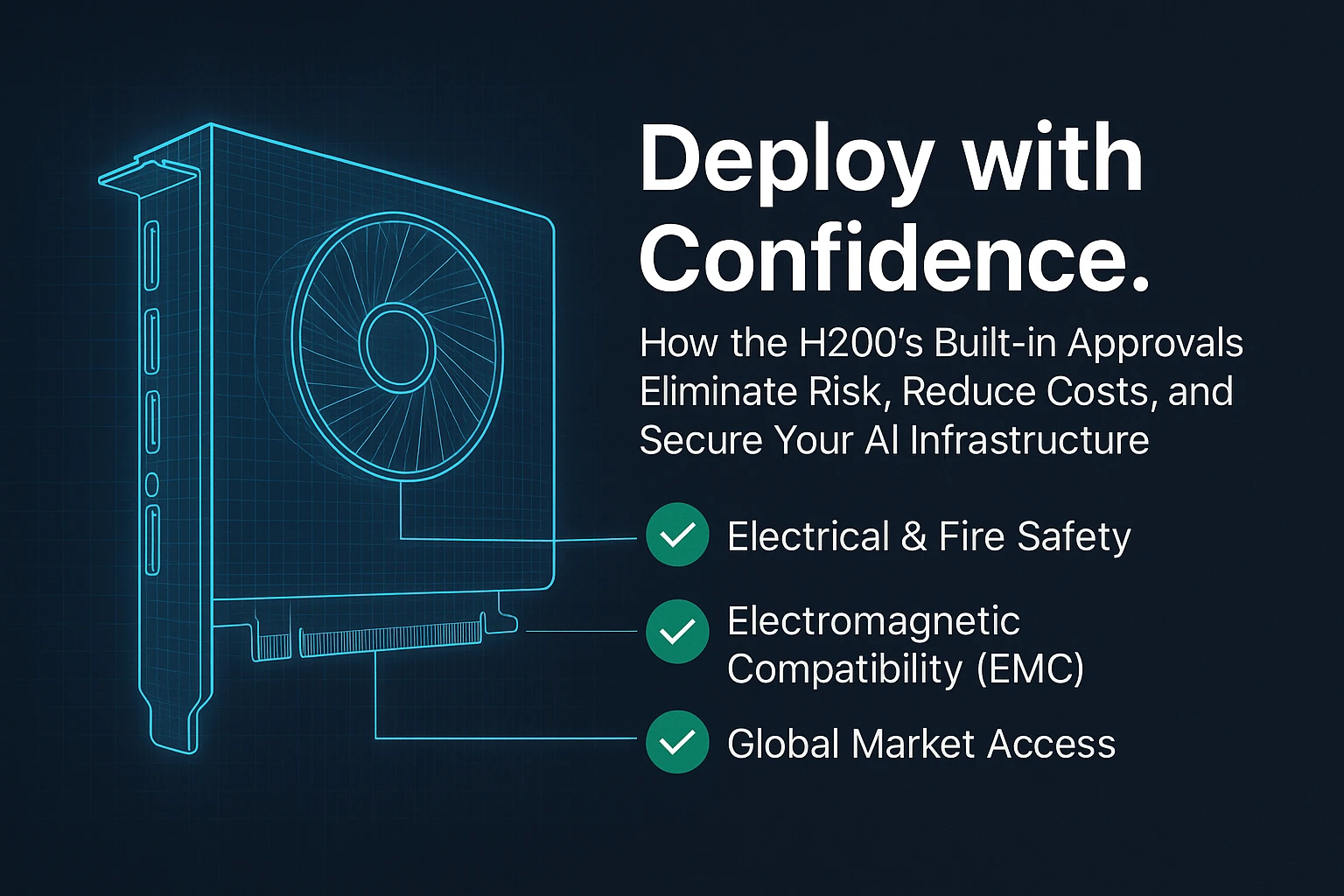
NVIDIA H200 Regulatory Approvals: Ensuring Safe and Compliant AI and HPC Deployments 

NVIDIA H200 Regulatory Approvals: Ensuring Safe and Compliant AI and HPC Deployments 

The NVIDIA H200 GPU has numerous regulatory approvals, which are essential for safe, legal, and reliable deployment of AI and high-performance computing (HPC) workloads globally.…
8 minute read
Energy and Utilities
GPUs in University Research: Powering the Next Era of Discovery

GPUs in University Research: Powering the Next Era of Discovery

Universities are increasingly adopting Graphics Processing Units (GPUs) to accelerate research in fields like medicine, climate science, and artificial intelligence, which depend on processing massive…
14 minute read
Energy and Utilities
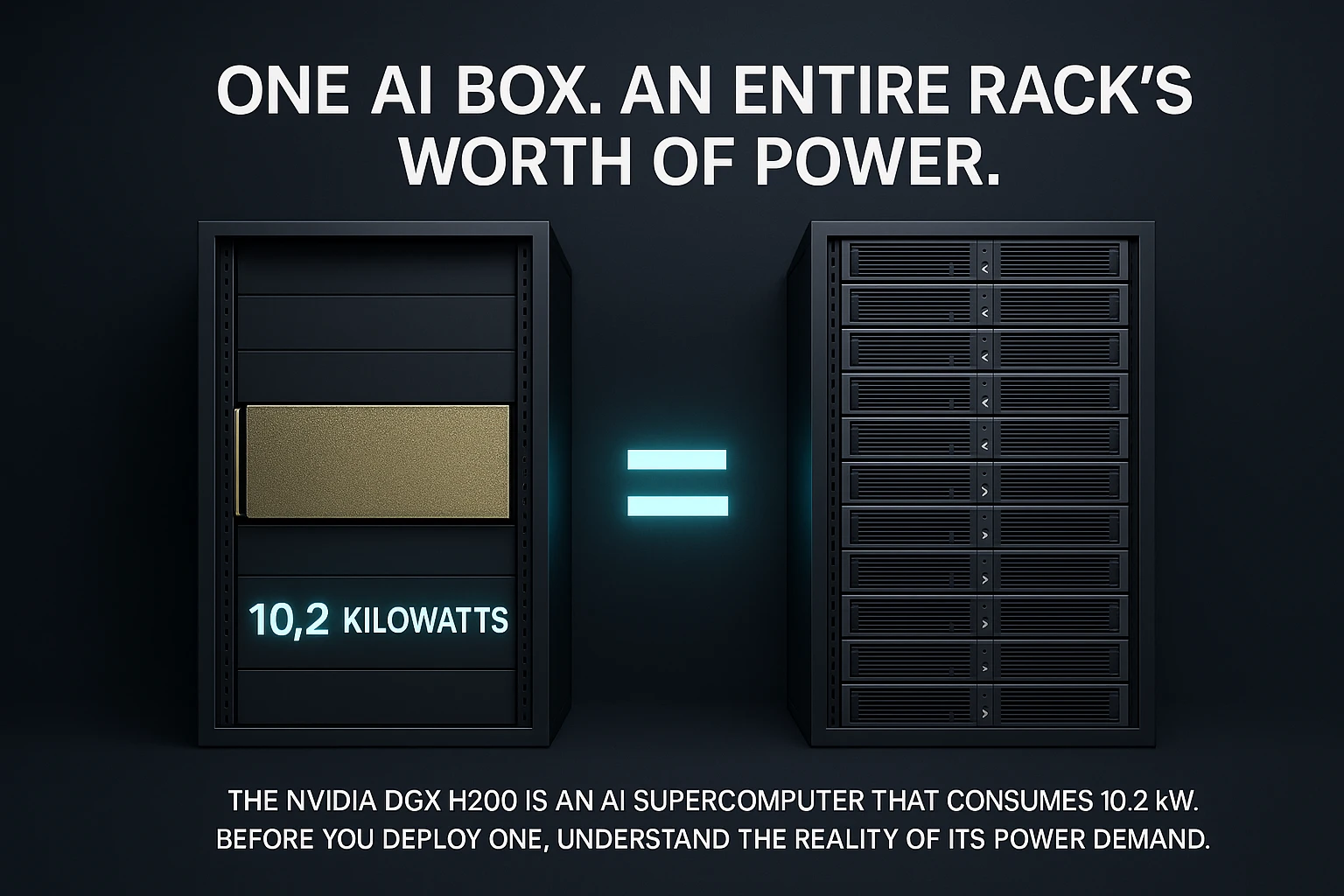
NVIDIA DGX H200 Power Consumption: What You Absolutely Must Know

NVIDIA DGX H200 Power Consumption: What You Absolutely Must Know

The NVIDIA DGX H200 is a powerful, factory-built AI supercomputer designed for complex AI and research tasks. Its high performance, driven primarily by eight H200…
14 minute read
Energy and Utilities
semifly