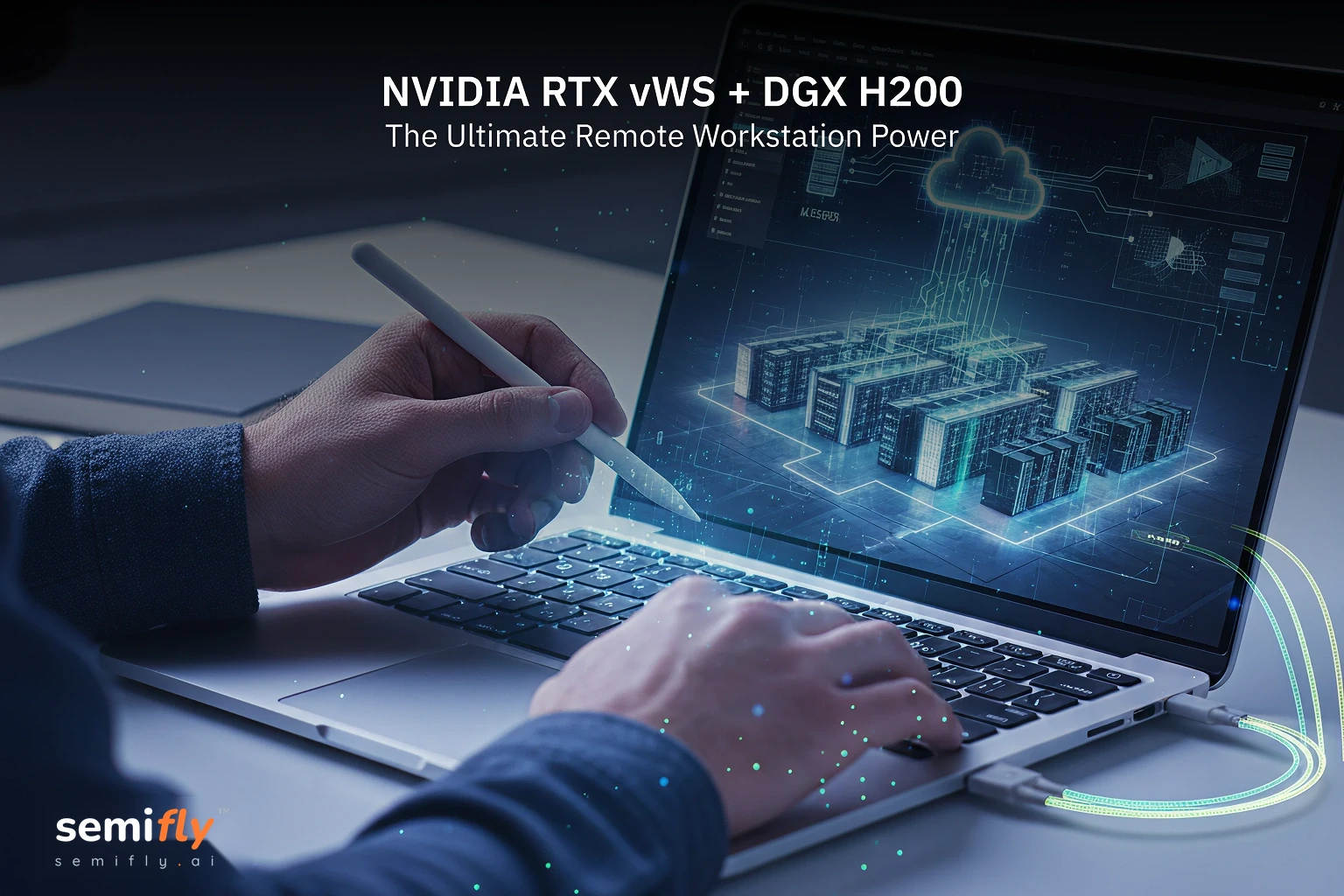
The physical workstation under the desk has always been a compromise: expensive, stationary, refreshed too slowly, and idle most of its life. NVIDIA RTX Virtual Workstation (vWS) is the data-center answer—professional RTX experiences, certified drivers and all, served from shared GPUs to whatever screen the user happens to have. With H200-class infrastructure in the rack, the question has shifted from “is it usable?” to “how much of the workstation fleet should move?”
Key Takeaways
- vWS delivers certified professional-app experiences (CAD, DCC, simulation) from virtualized data-center GPUs to thin clients.
- The wins are real: data centralization, instant provisioning, hardware utilization, and security posture.
- Success lives and dies on sizing profiles and network latency—under-provisioned vGPU or chatty WANs sink it.
- Licensing is a real line item; model it per concurrent user against the physical-workstation refresh you are avoiding.
01What it is, precisely
vWS is NVIDIA's software layer that partitions data-center GPUs into virtual GPUs with full professional driver certification—the same ISV-validated stack that workstation cards carry. Users connect through standard VDI brokers; their sessions render in the data center and stream as pixels. The distinction from consumer-grade GPU passthrough is the certification and manageability: these are supportable, ISV-blessed workstations that happen to be virtual.
02Where it genuinely shines
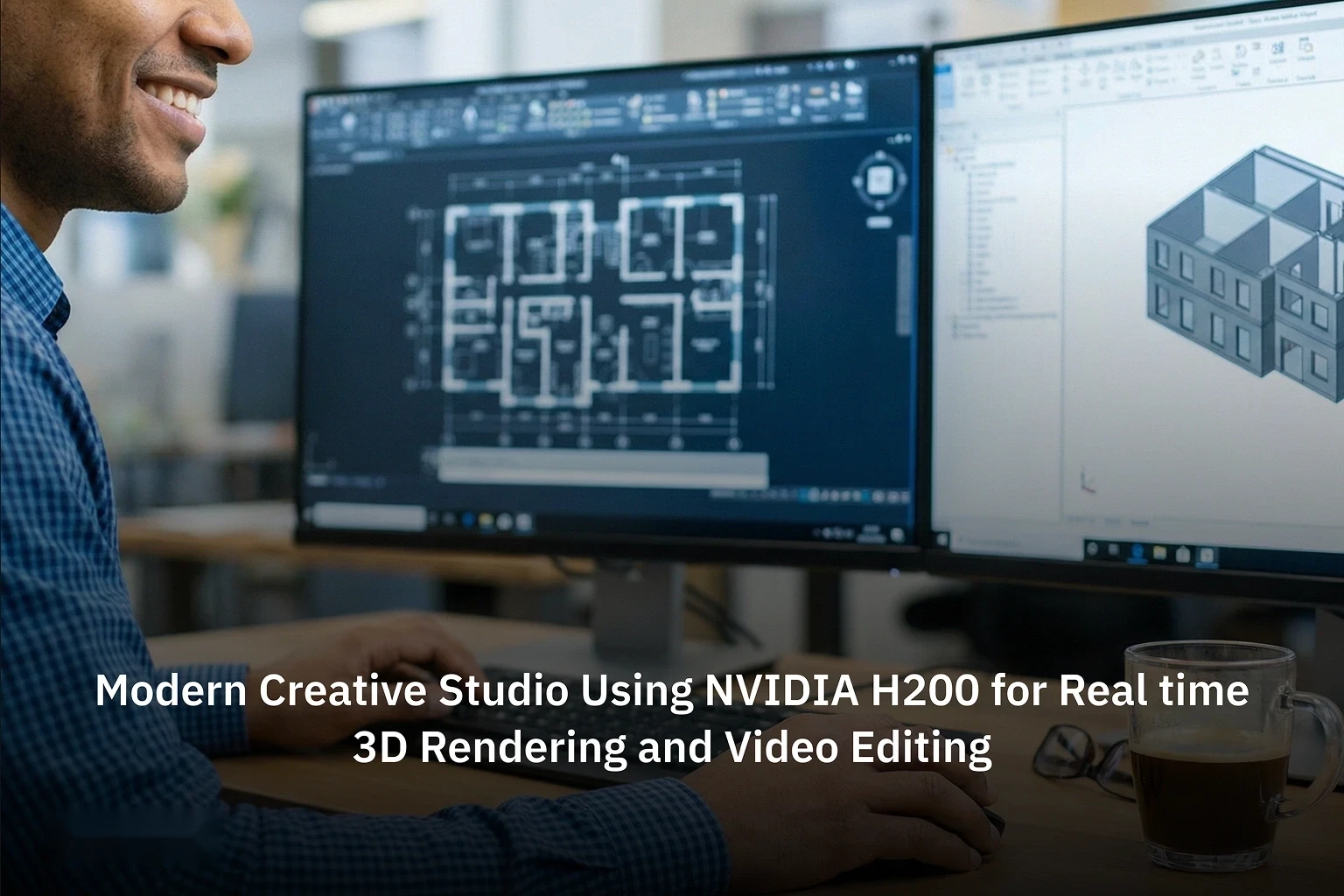
- Security and IP control: models, footage, and designs stay in the data center—contractors and remote teams see pixels, not files.
- Provisioning speed: a new engineer gets a fully-specced “workstation” in minutes; a render-heavy week gets a bigger profile and gives it back Friday.
- Utilization economics: workstation silicon idles 70%+ of the workday under desks; pooled in the rack, the same capacity serves shifts, time zones, and burst demand.
- The H200-era twist: the same GPU estate can serve creative sessions by day and batch AI/render workloads by night—one infrastructure, two budgets satisfied.
03Where it strains
Latency is physics: interactive 3D over a congested WAN frustrates regardless of vendor; plan sub-30ms paths or keep those users physical. Sizing discipline matters—profiles that fit Monday's modeling but not Thursday's simulation generate tickets, so profile real workflows and build escalation paths. And licensing (per concurrent user, plus the VDI stack) is substantial enough that the business case must be run honestly against the three-year physical refresh it replaces—it usually wins, but on utilization and security grounds, not sticker price.
04Verdict
For design, media, AEC, and engineering organizations with real IP sensitivity and distributed teams, vWS on modern GPU infrastructure is no longer the adventurous choice—it is the disciplined one. Pilot with one workgroup, instrument the experience, and let measured session telemetry—not vendor decks—set the rollout pace.
Ready to put this into practice?
Talk to the Semifly team about your infrastructure, security, and compliance roadmap.
Contact Us