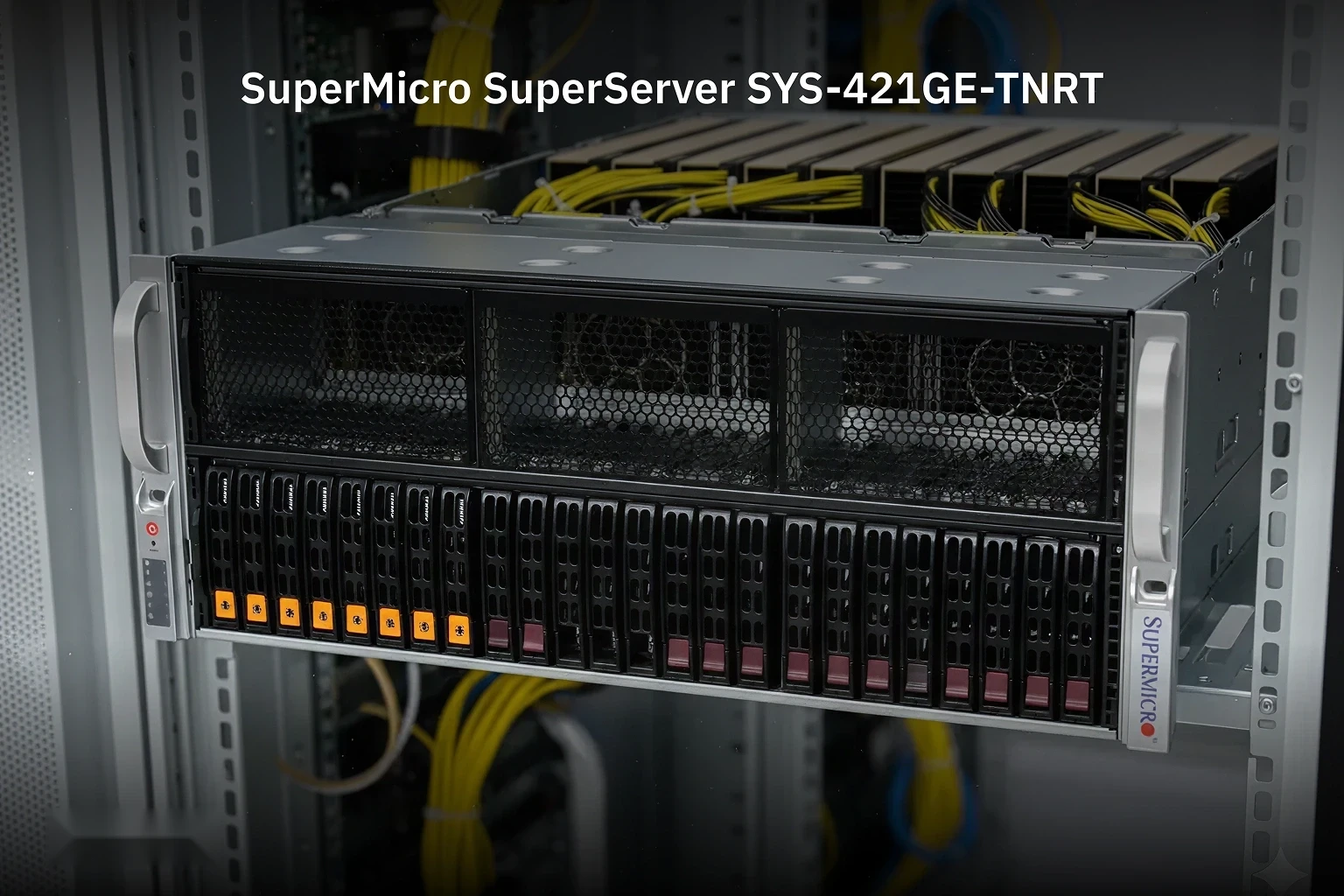
Ask infrastructure teams what is actually racked in their AI clusters and Supermicro comes up with notable frequency—often beside bigger brand names, sometimes instead of them. The reason is less about any single system and more about a philosophy: Supermicro builds from modular “building blocks” that configure into almost any shape a workload demands, and ships new silicon generations remarkably fast.
Key Takeaways
- The building-block model delivers configurability mainstream vendors struggle to match—GPU density, storage topology, and cooling tuned per workload.
- Time-to-market with new GPU generations is a genuine, repeatable advantage.
- Price-performance is typically strong; the trade is a thinner enterprise services layer—plan your support model deliberately.
- Best fit: teams (or partners) with real infrastructure competence who value flexibility over hand-holding.
01What the portfolio actually looks like
The AI-relevant range spans 4-and-8-GPU HGX systems for training, dense PCIe-GPU boxes for inference fleets, GPU workstations, and the storage-heavy nodes that feed them—available across air and liquid cooling, multiple chassis depths, and both Intel and AMD host platforms. The practical consequence: you specify the system around the workload rather than bending the workload to a fixed catalog.
02Where it shines
- Configurability with intent: matching GPU interconnect, NVMe layout, and NIC topology to a specific training or serving profile—without paying for components the workload ignores.
- Generation velocity: Supermicro systems are routinely among the first racks shipping each new NVIDIA platform—material when GPU roadmaps move yearly.
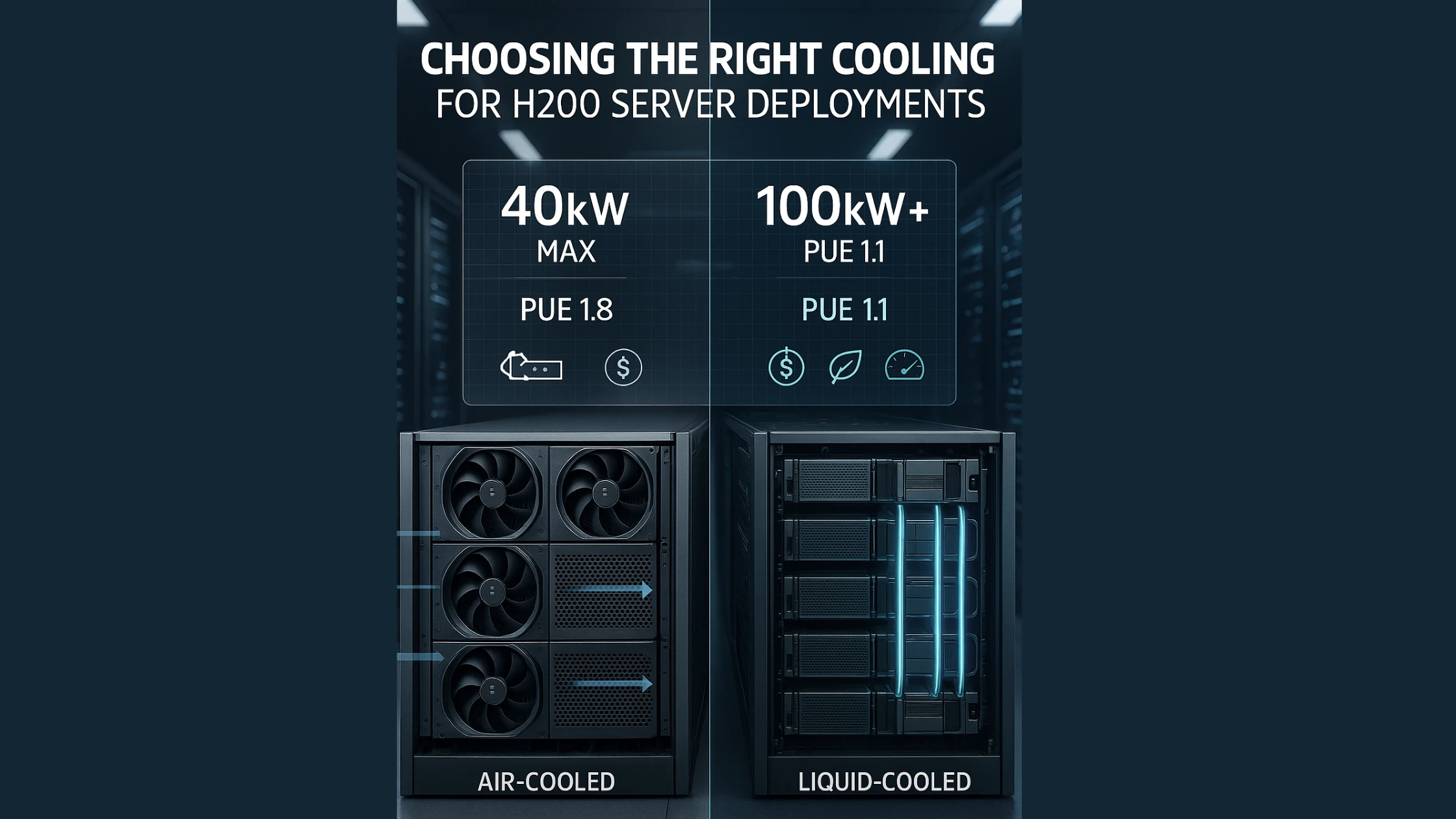
- Density and efficiency: the thermal engineering, particularly on liquid-cooled SKUs, supports rack densities that legacy enterprise chassis lines reach later or never.
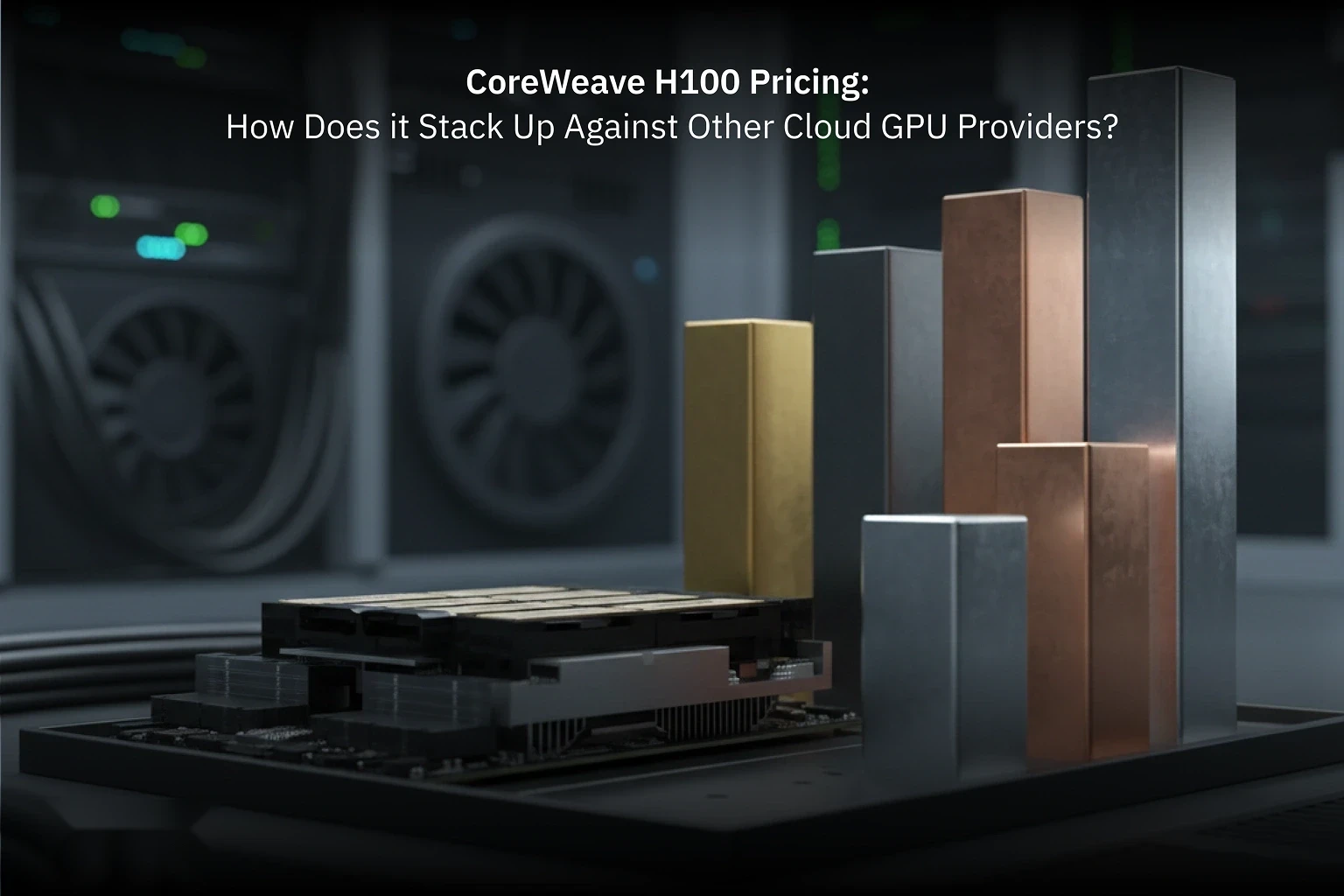
- Price-performance: like-for-like configurations consistently land below tier-one list pricing—the margin that funds spares, switches, or another node.
03The honest caveats
The flexibility assumes competence on the buyer's side. Tier-one vendors wrap their hardware in thick global services; Supermicro's model leans on the integrator channel and your own operational maturity. Firmware lifecycle, burn-in, spares strategy, and support escalation need explicit owners—in-house or through a partner who lives in this hardware daily. Buy it like infrastructure, not like an appliance.
04Verdict
For organizations that know their workload profile and either possess or contract real infrastructure operations, Supermicro offers among the best value-per-rack in AI hardware—flexible, fast to new silicon, and priced to leave budget for everything around the server. For teams wanting a single-vendor enterprise embrace, the calculus differs. Most of our deployments land on a pragmatic middle: Supermicro density where it wins, wrapped in the operational layer that makes any hardware boring.
Ready to put this into practice?
Talk to the Semifly team about your infrastructure, security, and compliance roadmap.
Contact Us