Futurism about data centers usually fails by being either too timid (more of the same, slightly cooler) or too cinematic (lights-out robot caverns). The honest forecast is more specific: the data center of the future is shaped by one dominant force—accelerated computing's power density—and three attendant ones: sustainability accountability, software-defined everything, and an autonomy level that rises because human hands cannot tune what the telemetry can see.
Key Takeaways
- Liquid cooling becomes the default design assumption, not the exotic option—density leaves no alternative.
- The facility becomes instrumented and software-defined: power, cooling, and placement managed as one optimization problem.
- Sustainability is structural: heat reuse, renewable integration, and water discipline designed in, reported out.
- Autonomy rises—AI-tuned cooling and predictive maintenance—while humans move to exception handling.
01Thermals: the defining constraint
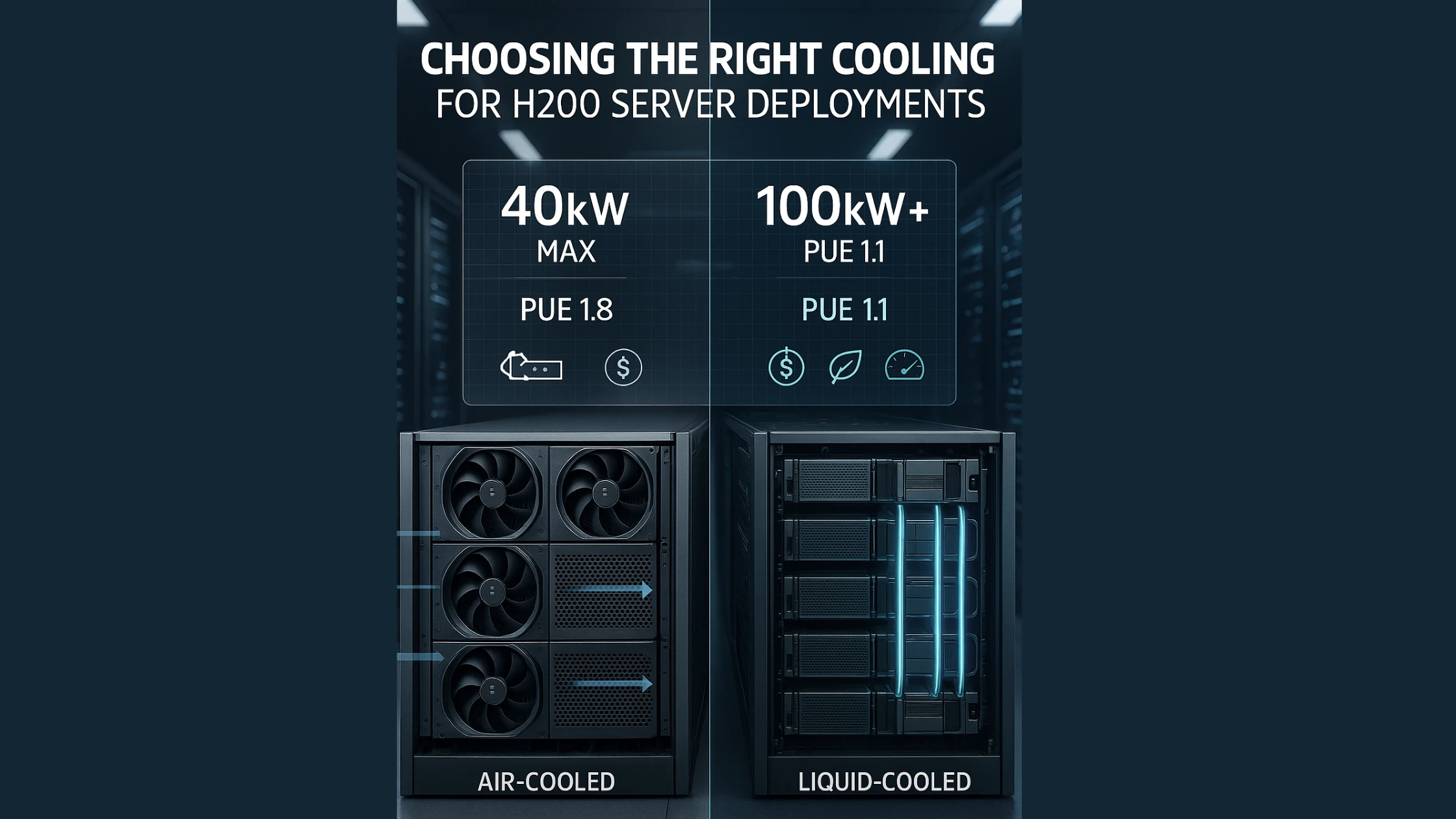
Racks heading past 60–100kW make liquid cooling—direct-to-chip first, immersion for the densest tiers—a structural assumption of new builds. That choice propagates: plumbing and coolant distribution become facility primitives, heat stops being waste and becomes a product (district heating, greenhouses, industrial preheat), and the air-cooled hall survives as the legacy tier rather than the design center. Future-facing facilities are being built liquid-ready even where day-one loads do not require it—rooms outlive servers by a decade.
02Software-defined down to the breaker
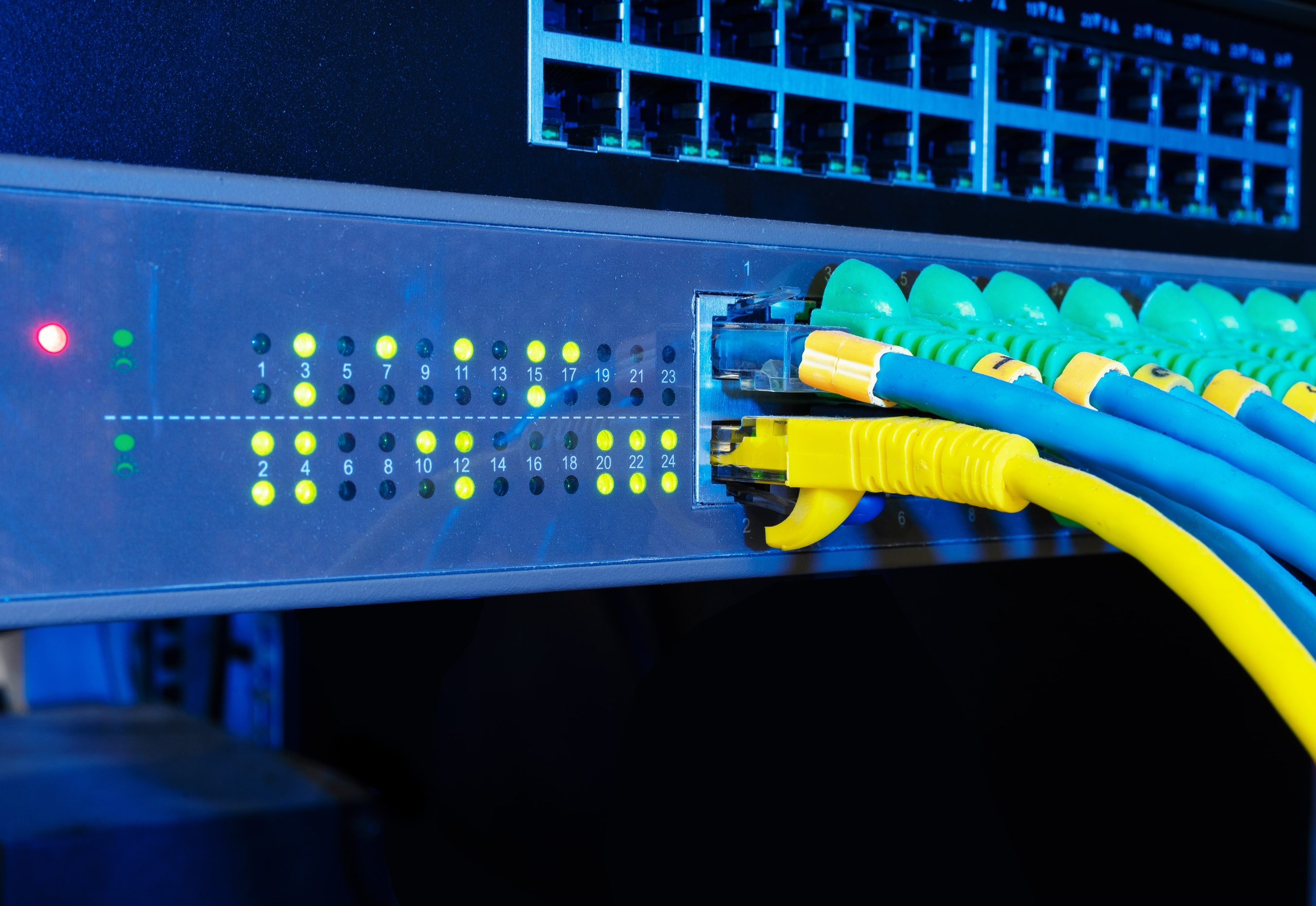
The future facility runs as a single instrumented system: thousands of sensors feeding models that place workloads where power and cooling are cheapest, shift batch jobs toward renewable supply windows, and balance electrical phases automatically. The DCIM dashboard grows into a control plane—the facility equivalent of what orchestration did to servers.
03Sustainability as architecture
- Energy: renewable PPAs, on-site generation and storage smoothing grid interaction, and workload scheduling that follows clean supply.
- Heat: reuse loops as a revenue line and a permitting advantage.
- Water: closed-loop and low-water cooling as scrutiny tightens.
- Reporting: PUE, carbon, and water metrics flowing to customers and regulators as routinely as uptime stats do today.
04Autonomy, soberly
Lights-out remains marketing, but the trajectory is real: AI-tuned cooling already beats manual setpoints, predictive maintenance schedules component swaps before failures, and remote hands shrink toward exceptions. The staffing model shifts from patrols to engineering—fewer people, deeper skills, supervising systems that self-optimize within guardrails.
05What it means now
Nobody needs to build this tomorrow; everybody negotiating leases, colo contracts, or hardware roadmaps is already pricing pieces of it. The practical posture: insist on liquid-readiness in anything long-term, weigh sustainability capability as a compliance asset, and prefer partners whose facilities are instrumented enough to improve over their lifespan. The future data center is less a place than a trajectory—and the cheap time to board it is at design.
Ready to put this into practice?
Talk to the Semifly team about your infrastructure, security, and compliance roadmap.
Contact Us